




Why Your Ecommerce Brand's Success Depends on a Solid Content Strategy
Using an ecommerce content strategy to build your brand is more than a buzzword—it's how modern online stores stand out, earn trust, and drive sales. A well-planned content strategy helps you:
- Set your brand apart from competitors.
- Build customer trust with valuable content.
- Drive free, organic traffic to your store.
- Develop customer loyalty and meaningful connections.
- Increase sales by directing shoppers through their buying path.
Your content is how customers get to know you. It's not just about selling; it's about telling your story and providing value. In fact, 59% of consumers prefer to buy new products from brands they already know, which is why building brand awareness through content is so critical.
Many ecommerce businesses struggle with content. They might have an outdated blog or generic product descriptions. Without a clear plan, content efforts feel scattered and fail to deliver results. The good news is that customer-focused businesses are often more profitable. When you put your audience first with a smart content approach, you're building a brand that people trust and choose.
I'm Steve Pogson, and for over two decades, I've helped ecommerce businesses grow. At First Pier, we've seen how the right content approach can transform an online store into a beloved brand, blending Shopify expertise with proven marketing tactics.

What is an Ecommerce Content Strategy and Why Your Brand Needs One
An ecommerce content strategy to build your brand is a careful plan for creating and sharing everything your online store produces. This includes blog posts, videos, social media, emails, and buying guides—every point where you connect with your audience. The goal is to attract people who might love your products, keep them involved with useful content, and direct them toward becoming loyal fans.
This matters because content marketing draws people in naturally, rather than interrupting them with ads. 59% of consumers prefer to buy new products from brands they already know. Content is how they get to know you.
Think of your content as your brand's personality. It's how you show up and what you stand for. Without a strategy, you're just guessing.
Distinguishing your brand is possible with a clear content plan. With billions of ecommerce users worldwide, great products aren't enough. Your content is your unique voice—it tells your story and explains what makes you different.
Building customer trust happens through consistent, valuable content. People buy from brands that feel authentic. When you regularly publish content that educates or entertains, you establish credibility and become a go-to resource in your field.
Let's talk about driving organic traffic. When people need something, they search for it online. In fact, 59% of shoppers say they use Google to research a purchase. A solid content strategy helps your store appear in those search results, bringing in free, highly targeted traffic.
Your content is also critical for developing customer loyalty. After a purchase, keep providing value with how-to guides or lifestyle tips. This turns one-time buyers into repeat customers and brand supporters.
Finally, content helps increase sales. It directs people through their buying decisions by answering questions and reducing doubt. Engaging product descriptions, helpful guides, and real customer reviews can be the difference between a lost visitor and a sale. The average ecommerce conversion rate is 2.57%, but a thoughtful content strategy can help you beat that standard.
Want to explore building a complete brand strategy? Check out our guide on Ecommerce Brand Strategy for more insights.
Step 1: Laying the Foundation for Your Brand
Before creating content, you need a strong foundation. This means understanding who you're talking to and what your brand represents.
How to Understand Your Target Audience
To create an ecommerce content strategy to build your brand that works, you need to get inside your customers' heads. Start with market research to gather data about potential buyers. Who are they, what are their interests, and what drives their decisions?
This research helps you create buyer personas—detailed profiles of your ideal customers. Give them names and specific challenges. For example, you might target "Sustainability Sarah," who values eco-friendly products, or "Busy Brian," who needs convenience. These personas help you speak to real people.
Understanding customer pain points and purchase motivations is key. What problems can your products solve? What finally pushes them to buy? When you understand these motivations, you can create content that speaks directly to what matters most.
Your website data from tools like Google Analytics shows how people behave on your site. Which pages do they visit? What search terms brought them to you? This data reveals what your customers care about. You can also get direct feedback through surveys using tools like SurveyMonkey, or by paying attention to customer service chats and product reviews.
Learn about Ecommerce Growth Marketing
Defining Your Brand Identity and Story
Your brand identity is more than a logo; it's the personality of your business. A strong identity makes your brand memorable.
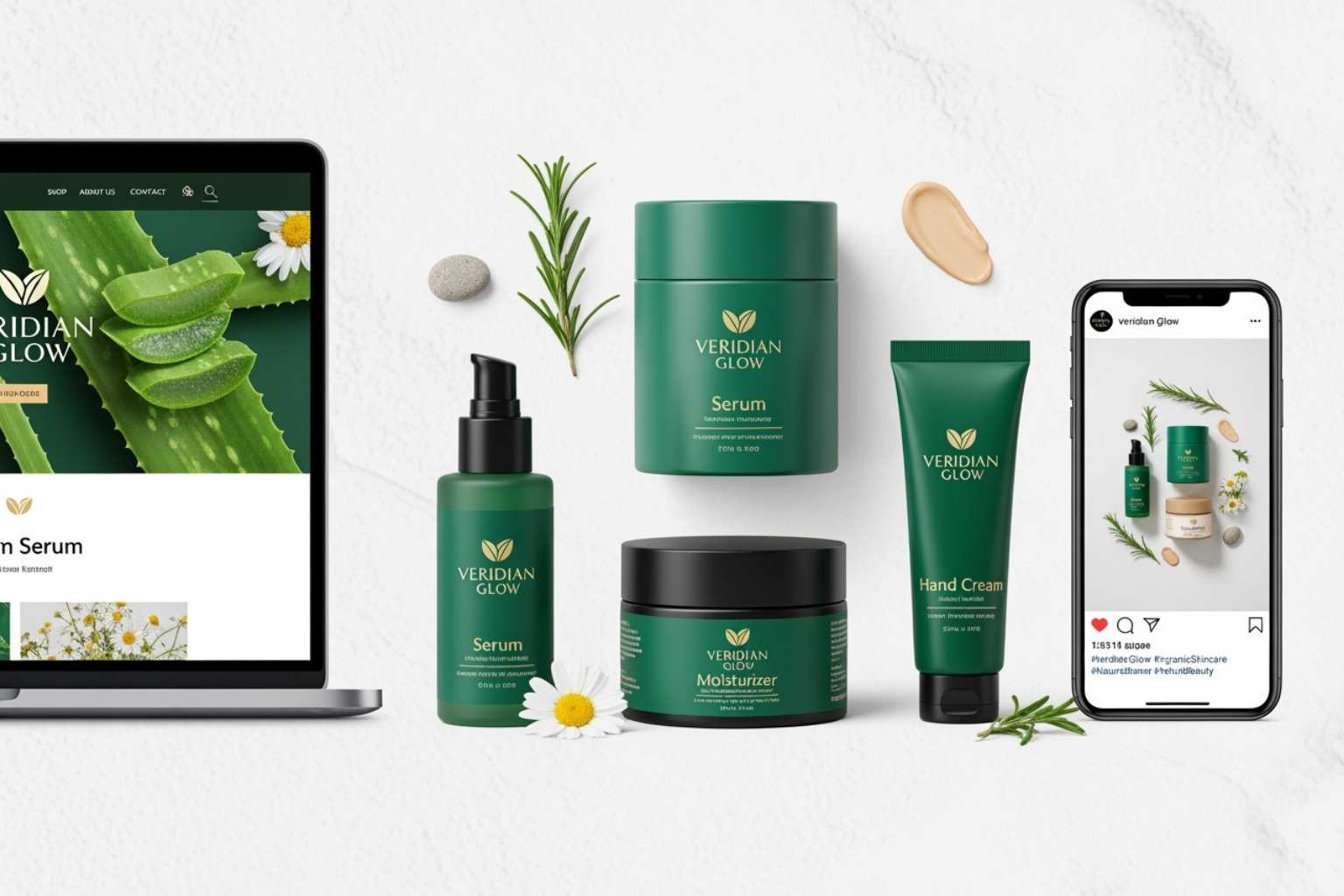
Start with your mission statement and core values. Why does your business exist beyond making money? Patagonia's mission—"We're in business to save our home planet"—shapes everything they do. Your mission should be just as authentic.
Your brand personality and voice bring that mission to life. Is your brand funny and relaxed, or serious and authoritative? Your voice should be consistent across all your content, from product descriptions to social media comments.
Your visual style guide—logo, colors, and fonts—makes your brand instantly recognizable. A powerful statistic shows that consistent color use can increase brand recognition by up to 80%. When customers see your signature style, they should immediately know it's you.
What really sets brands apart is a compelling brand story. People buy into stories that resonate with them. Your story should explain why you started and what you stand for. YETI does an exceptional job of this. Instead of just talking about coolers, they share stories of adventurers using their products, creating a deep emotional connection. Your brand story should be woven through all your content, making customers feel like part of something bigger.
Get help with your Ecommerce Branding Kit
Step 2: Creating Content That Connects and Converts
With a clear audience and brand identity, it's time to create content that serves both your customers and your business goals. This means tailoring content to where customers are in their buying process.
Mapping Content to the Ecommerce Buyer Path
Your content needs to match where customers are in their relationship with your brand. Think of it as different stages:
Awareness Stage: Potential customers are just realizing a need. They're looking for information, not to buy. Content like blog posts ("5 Ways to Improve Your Sleep"), infographics, and short educational videos work well here. The goal is to attract attention and introduce your brand as a helpful resource. Angi does this well with articles like this piece on getting a green lawn.
Consideration Stage: Customers are now researching solutions. This is where detailed buying guides, product comparisons, and how-to articles are essential. MADE's guide for buying wall art is a great example. This content builds trust and shows your expertise. Thirdlove also excels here with posts like this guide on bra types.
Decision Stage: Customers are ready to buy and just need a final push of confidence. Detailed product pages, customer reviews, demonstration videos, and FAQs are key. Your goal is to answer any final questions and make the purchase feel easy. Nectar's detailed product pages are a perfect example.
Loyalty and Advocacy Stage: The path doesn't end at purchase. Post-purchase emails, loyalty program info, and exclusive content turn happy customers into brand promoters and encourage repeat business.
Find out about the Best Content for Ecommerce
Essential Content Types for Your Ecommerce Brand
These content types are essential tools in your ecommerce content strategy to build your brand.

SEO-friendly product descriptions are your 24/7 salespeople. The best ones tell a story, emphasize benefits, and are optimized with keywords so people can find them. Nectar's mattress page is a masterclass in this.
Educational blog posts establish you as an expert. This is where you provide value and answer common questions. Beardbrand grew almost entirely through content, like their complete article on how to grow a beard.
How-to guides and tutorials solve real problems and establish your brand as a go-to resource. Northern Brewer's Homebrewing 101 guide is a great example and naturally suggests products customers might need.
Video content is king for involvement. Wyzowl statistics show that 82% of people have been convinced to buy a product by watching a video. Beardbrand uses engaging videos to tell stories and provide useful information.
User-generated content (UGC) is authentic and trustworthy. When real customers share photos or reviews, other shoppers pay attention. Only 11% of shoppers "trust influencer content completely," compared with 57% who trust content from other customers. Charlotte Stone showcases stories of their followers styling their products, building a strong community.
Customer reviews and testimonials are powerful social proof. Displaying reviews prominently builds confidence. Interestingly, consumers are 41% more likely to choose a business that responds to all its reviews.
Explore our Content Marketing for Ecommerce resources
Step 3: The Right Ecommerce Content Strategy to Build Your Brand and Boost SEO
Great content is useless if people can't find it. SEO is the bridge between your content and the customers who need it, making it a critical part of your ecommerce content strategy to build your brand.
Mastering Keyword Research for Ecommerce
Keyword research is about understanding the exact language your customers use. It's about speaking their dialect.
Use Customer Language: Avoid industry jargon. If you sell a "hydration vessel," but customers search for a "water bottle," use their term.
Focus on Long-Tail Keywords: These are specific phrases like "organic cotton baby blankets for sensitive skin." They have lower search volume but attract customers who are much closer to buying.
Analyze Competitors: Use tools like Semrush to see what keywords your competitors are ranking for. This helps you find opportunities and understand what works in your niche.
Explore our Ecommerce SEO Strategies
How to Optimize Your Website Content
Once you have your keywords, weave them naturally into your website. Here's how:
Product Page Optimization: Include relevant keywords in your product titles, headings, and descriptions in a way that sounds human and helpful.
Title Tags and Meta Descriptions: These are your mini-ads in search results. Make them compelling, include your main keyword, and give people a reason to click.
Image Alt Text: Search engines can't see images, so alt text tells them what's in the picture. It's also essential for accessibility. Outline your images clearly and include keywords where it makes sense.
Internal Linking: Link from a blog post about choosing a coffee maker to your coffee maker product pages. This helps search engines understand your site's structure and keeps customers involved longer.
Tips for On-Page SEO for Shopify Stores
Advanced SEO: Using an ecommerce content strategy to build brand authority with Topic Clusters
To become a true authority, use topic clusters. This is a powerful way to use your ecommerce content strategy to build your brand and dominate search results.

The concept is simple: create a pillar page, which is a broad guide on a major topic (e.g., "The Complete Guide to Sustainable Home Living").
Then, create cluster content—detailed blog posts on specific sub-topics mentioned in the pillar page (e.g., "Best Eco-Friendly Cleaning Products").
The power comes from linking everything together. Cluster articles link back to the pillar page, and the pillar page links out to the cluster content. This web of information signals to search engines that you are an expert on the topic.
This strategy builds topical authority, helping you rank for hundreds of related terms. It also builds trust with customers, as you're genuinely helping them solve problems. The internal linking keeps visitors on your site longer, exploring related topics and building the kind of brand authority that turns browsers into buyers.
Review our Ecommerce SEO Checklist
Step 4: Distributing and Promoting Your Content
Creating great content is only half the job; you also need to make sure it reaches your target audience. Effective content spreading is a key part of any successful ecommerce content strategy to build your brand.
Using Social Media to Increase Your Brand Story's Reach
Social media is a powerhouse for getting your brand's story in front of the right people. It's not just about posting—it's about connecting.
Choose the right platforms. Don't try to be everywhere. Focus on where your target audience spends their time. Whether it's the visual nature of Instagram, the referral traffic from Pinterest, or the community building on Facebook, check the user demographics of each platform to ensure it's a match.
Maintain consistent branding. Your brand voice and visual style must be recognizable across all channels. When someone sees your post, they should instantly know it's you.
Involve your audience. Respond to comments, ask questions, and encourage user-generated content. The more you interact, the more your audience feels like part of a community.
Use shoppable posts. Many platforms now offer direct shopping features, making the path from inspiration to purchase easier. In fact, 93% of consumers state that social media content has had an impact on their purchase decision.
Learn about Social Media Marketing
The Role of Email Marketing
While social media offers broad reach, email marketing provides a direct, personal line of communication. The ROI on email marketing in the eCommerce industry is $45 per $1 spent, a fantastic return.
Newsletters keep your brand top-of-mind by sharing new content, product launches, and company news.
Automated email sequences are triggered by specific actions. Welcome emails greet new subscribers, while abandoned cart reminders gently nudge customers who left items behind. Sending three abandoned cart emails can result in sixty-nine percent more orders.
Audience segmentation allows you to send highly relevant, personalized content. Don't send the same email to everyone. Group your list based on purchase history or interests to make your messages more effective.
Promote new content to your email list first. This gives your content an immediate visibility boost and makes your subscribers feel like valued insiders.
Email marketing helps you build deeper relationships by delivering value directly to your audience's inbox. It's personal, measurable, and incredibly effective when combined into your overall ecommerce content strategy to build your brand.
Get help with Email & SMS Marketing
Step 5: Measuring and Refining Your Strategy
To ensure your ecommerce content strategy to build your brand is effective, you need to calculate its impact and be willing to adjust.
Key Metrics to Track for Your ecommerce content strategy to build brand awareness
How do you know if your content is working? By tracking key performance indicators (KPIs). These metrics tell you if you're on the right track.

Organic Traffic: How many visitors find your site through search engines? A rising number is a clear sign your SEO efforts are working.
Conversion Rate: What percentage of visitors take a desired action, like making a purchase? A strong content strategy can push this number well above the average of 2.57%.
Keyword Rankings: Where do you appear in search results for your target keywords? Moving up in rankings can dramatically increase traffic.
Involvement Metrics: How do people interact with your content? Look at time on page for blog posts, watch time for videos, and likes, shares, and comments on social media.
Customer Lifetime Value: Are customers who involve themselves with your content spending more over time? This metric connects content directly to long-term revenue.
Brand Mentions: Are people talking about your brand, and what are they saying? Data-driven companies are 23x more likely to excel in customer acquisition and about 19x more likely to retain customers. Using this data is key.
Services for Ecommerce Analytics & Analysis
How to Adapt and Optimize Your Strategy
The online world changes fast, and your content strategy must be flexible. Continuous improvement is essential.
Use A/B testing. Experiment with different headlines, product descriptions, or calls-to-action to see what works best. This data-driven approach helps you make smarter choices.
Analyze performance data. Regularly assess your metrics to spot patterns. If certain topics perform well, create more content around those themes. If videos get more involvement than articles, adjust your content mix.
Listen to customer feedback. Pay attention to reviews, surveys, and customer service questions. If multiple customers ask the same thing, that's a perfect opportunity for a helpful guide.
Monitor market trends. Stay informed about industry changes like the growth of voice search or new social media platforms. This allows you to adjust before you fall behind.
Your content strategy should be a living document. By continuously measuring, analyzing, and adjusting, you ensure your ecommerce content strategy to build your brand remains fresh, relevant, and effective.
Conduct an Ecommerce Website Audit
Frequently Asked Questions about Ecommerce Content and Branding
What's the difference between content marketing and branding?
Think of it this way: branding is who you are—your identity, personality, and values. It's the overall feeling people get when they think of your store. For example, when you hear "Apple," you might think of creative, sleek, and premium products. That's branding.
Content marketing is how you state and communicate that brand identity. It's the blog posts, videos, and emails you create. Content is the vehicle that carries your brand message, helping people get to know and trust you. Your ecommerce content strategy to build your brand brings these two together, using content to strengthen your brand identity.
How long does it take to see results from an ecommerce content strategy?
Honestly, patience is key. Unlike paid ads, content marketing is a long-term investment that builds value over time. While you might see some early wins in a few weeks, the kind of results that change your business typically take 6 to 12 months, or even longer.
This is because it takes time to build authority with search engines and trust with your audience. Each piece of content builds on the last, gradually establishing your expertise. The good news is that once you build that momentum, it keeps working for you. A blog post you write today could still be driving traffic and sales years from now.
How much should an ecommerce business budget for content marketing?
This is a widespread question, and the answer depends on your goals and industry. As a general guideline, successful marketers often set aside over 10% of their marketing budget for content.
Your budget should include a few key areas: content creation (whether in-house or freelance), tools and software (for SEO, email, and analytics), and distribution and promotion (like social media ads). My advice is to focus on quality over quantity. It's better to create less content of higher quality and promote it well than to produce a lot of mediocre content that no one reads. Start with what you can do well, calculate your results, and increase your investment as you see positive returns.
To Sum Up
You've made it through the roadmap for building a brand through content. Now, the real work begins.
Building a successful ecommerce brand is about creating something people care about. It's about showing up consistently, telling meaningful stories, and providing value. That's what an ecommerce content strategy to build your brand is all about—turning your store into the brand customers remember, trust, and return to.
We've covered understanding your audience, defining your brand, creating helpful content, boosting your SEO, promoting your work, and measuring results. Each piece builds on the last.
This process takes time and patience. It requires a willingness to learn and adjust. But the brands that commit to this process—the ones that see content as a conversation with their customers—are the ones that build something lasting.
At First Pier, we've seen how the right content strategy can make a huge difference. We know Shopify inside and out, and we understand how to create content that drives results. Whether you're just starting or looking to grow an established brand, we're here to help you build something you're proud of.
Ready to get started? Let's start building or refining your brand together. Your customers are out there waiting to find you—let's make sure they do.





.png)
.png)

