Design

Ecommerce UX Design

Here's the thing–we design websites, landing pages, and web components pretty much all day, every day. We do a lot of website work, right? And while it starts with strategy (always start with strategy), it typically moves swiftly into design, and we get it done!

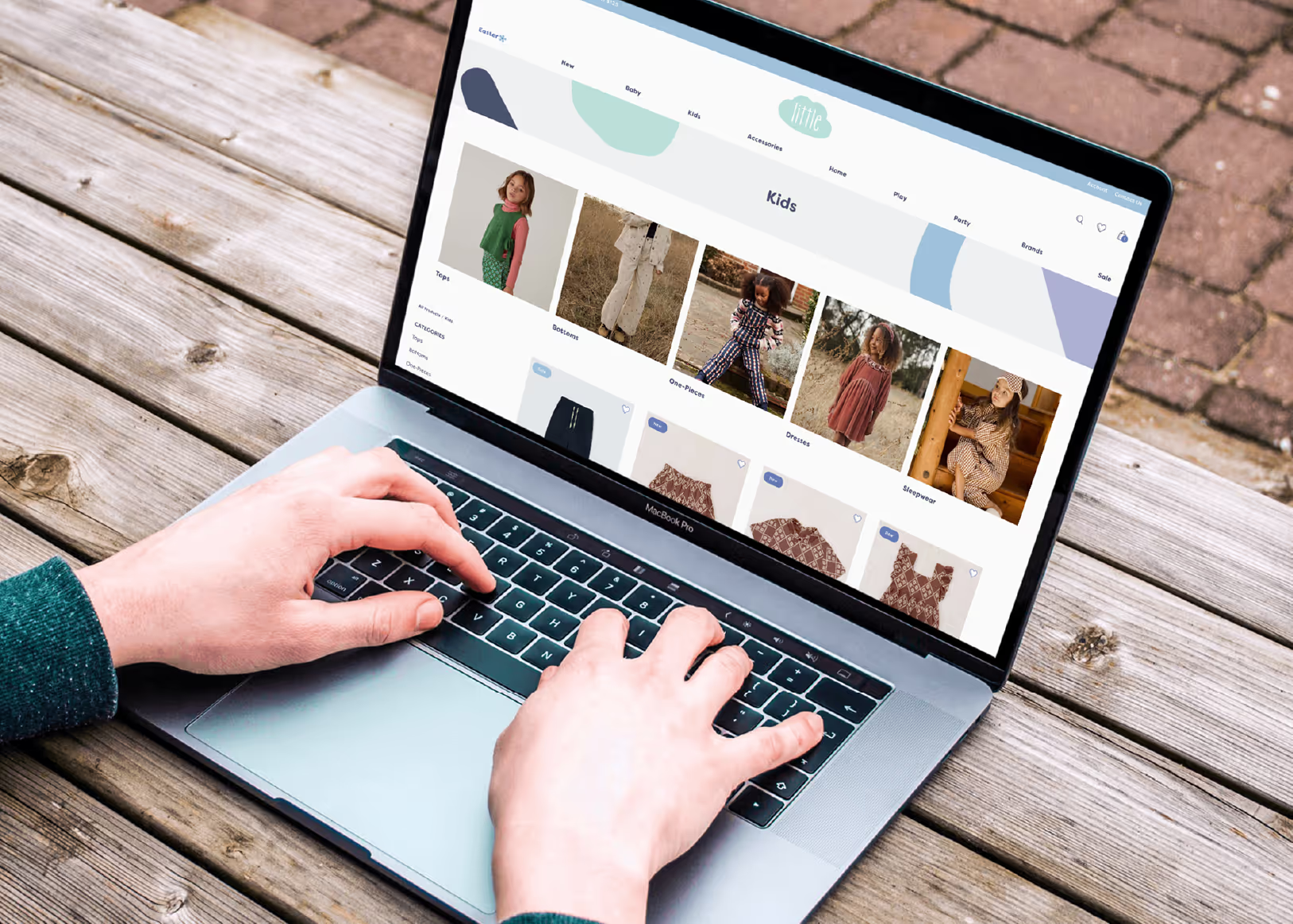
But (and it's a big but), every unit of UX design–all the sites, the landing pages, the new sections, the user interactions, the journey mapping, the wayfinding, the navigation, the filtering– is designed for a purpose. We design to improve conversion rates, overhaul complicated navigation (which also improves conversion rates), or give a site with good content a much-needed glow-up (which might, yeah, also improve conversion). Why do we spend time doing this? To better communicate brand values and quality, which we believe will improve conversion.

The point of all this design, which turns into all this execution, is to create beautiful, clear, and smart ways for customers to do what we (and you) want them to do: buy things.

We take great pleasure and pride in doing good design work and using it to build beautiful and performant websites. Sure, it's a bit like being really proud of the potatoes we use to make fries, but have you tried making fries with moldy potatoes?

We are passionate about best practices in current ecommerce design because spending time and effort on designing performant, progressive, and propulsive web experiences turns into conversions. And as you know because you're here, conversions turn into revenue, and revenue turns into growth and that is what we're ultimately designing towards.

No items found.

How our ecommerce UX design work happens

We start where the customers are dropping off. That usually means an audit of the pages doing the most traffic — home, collection, product, cart — plus a hard look at the mobile experience, since that's where most of the sessions and most of the friction live. From there we work in priority order: fix the navigation and product-page hierarchy that are costing you sales first, polish later.

Design here isn't decoration. Wireframes settle the structure, high-fidelity work in Figma settles the look, and because the same team handles the Shopify build, the design that gets approved is the design that ships — not a pretty file a developer reinterprets. When the structural work is done, it hands off cleanly to ongoing conversion rate optimization.

No items found.

Why do your Shopify design with First Pier

Design and build under one roof, run by senior people who've shaped a lot of Shopify stores and know which best practices actually move conversion and which are just what everyone happens to be doing this year. You get taste and judgment, not a template with your logo dropped in.

Have a store that needs a rethink? Let's talk.

large bright blue hand drawn quotation marks

They were receptive to my ideas and translated them into technology. Their ability to accurately make my vision and brand into a final website was impressive.

—Erin O'Toole, Founder, Oterra Designs

Three people collaborating at a coffee shop with laptop and exposed brick wall

Recognized by Clutch for this work

Clutch Top Web Design Company in Maine 2026 award badge
Clutch Top Design Company in Maine 2026 award badge
Clutch Top Web Design Company in Portland 2026 award badge
Clutch Top Web Design Company for Food & Beverage in the United States award badge
Clutch Top Conversion Rate Auditing Services Company 2026 award badge
Clutch Top Conversion Research Services Company 2026 award badge

Looking for a local team? See our Maine Shopify agency page.

Free store teardown

Let's Do This!

Drop your Shopify store URL and we'll send back 3 quick wins — free, no pitch, and usually within 2 business days.

Prefer to talk? Book a call

Get your 3 quick wins

Thanks! We'll review your store and send your 3 quick wins within 2 business days.

Oops! Something went wrong while submitting the form.

No sales call required. Usually back within 2 business days. Unsubscribe anytime.