


Why Your Brand Identity Defines Your Success
Shopify Branding and Identity is the package of visuals, messaging, and personality that defines your store. It covers your logo, colors, and fonts, plus your brand voice, values, and the emotions you want to evoke. A strong brand identity sets you apart from competitors, builds customer trust, and creates connections that drive loyalty and sales.
Core Components of Shopify Branding and Identity:
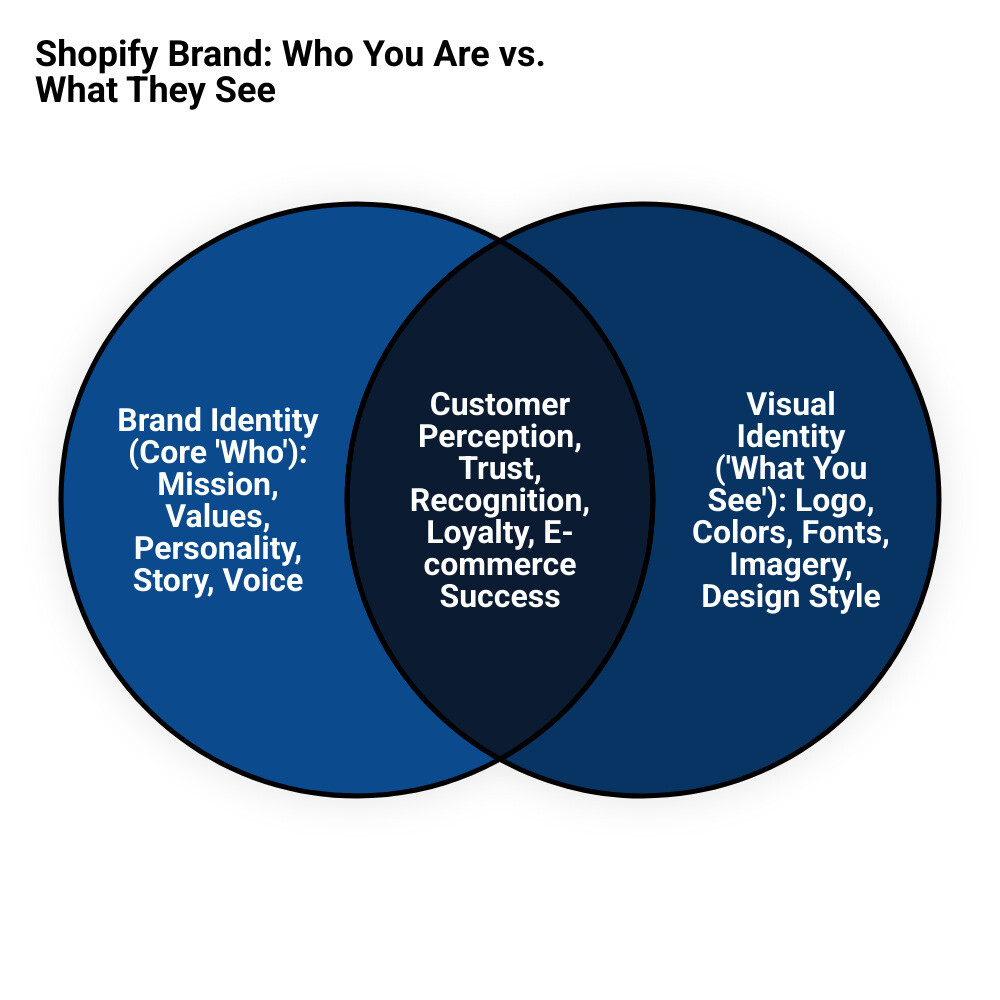
- Brand Identity: Your mission, values, and story (who you are).
- Visual Identity: Your logo, colors, and design style (what customers see).
- Brand Voice: Your tone across all communications.
- Customer Experience: How your brand appears at every touchpoint.
- Consistency: Maintaining your identity across all channels.
People form first impressions in as little as 0.1 seconds. When customers feel connected to a brand, 76% will buy from them over a competitor, and 57% will increase their spending. Your brand identity is your business's personality, and your visual identity is its face. A unique brand color can improve brand recognition by 80%.
At First Pier, our frameworks for Shopify Branding and Identity turn online stores into memorable brands. Let me show you our process for crafting compelling brand identities.
What is Brand Identity and Why Does It Matter for Your Store?
Many store owners confuse "brand" and "brand identity." Your brand is how customers perceive your business—its reputation in their minds. Your brand identity is what you create to shape that perception. It's the intentional work you do to define what your company stands for, how it looks, and what it communicates.
Your visual identity is the external face of your business—the logo, colors, fonts, and design style that express your brand's essence. A strong brand identity helps you stand out and build emotional connections that drive sales.
Research shows people form first impressions in as little as 0.1 seconds. When customers feel connected to a brand, 76% will choose it over a competitor, and 57% will spend more. A well-defined identity also builds trust through consistency, signaling professionalism and reliability. This trust leads to repeat purchases and word-of-mouth marketing. For a deeper look, see our guide on E-commerce Brand Building.
The Core Elements of Your Visual Identity
Your visual identity brings together key components to create a memorable impression. When we work on Shopify Branding and Identity, we craft each of these:
- Logo Design: Your logo is visual shorthand for your brand. A great logo is simple, unique, and versatile enough for your website, social media, and products.
- Color Palette: Colors trigger emotions and influence perception. Research shows color heavily influences product assessments. Consistent use of a brand color can improve recognition by 80%.
- Typography: Your fonts convey personality and ensure readability. Most brands use two complementary typefaces: one for headlines and another for body text.
- Imagery and Photography: A consistent visual style in your photos helps customers instantly recognize your content. This could mean using specific lighting, angles, or editing styles.
- Graphics and Icons: Supplemental elements like patterns, illustrations, or custom icons reinforce your identity across your website, packaging, and marketing.
How a Strong Identity Builds Trust and Loyalty
Thoughtful branding builds a foundation of trust that turns first-time buyers into loyal advocates.
Brand consistency is the secret. When customers see the same look, feel, and message across Instagram, email, and your website, they start to trust you. This consistency signals reliability and professionalism. It also leads to stronger customer recognition, making you easier to spot.
A polished, cohesive brand identity also projects professionalism and perceived value, which can justify premium pricing. These elements combine to drive repeat purchases and loyalty. Customers who trust and recognize your brand become advocates, which is the real power of effective Shopify Branding and Identity.
A Step-by-Step Guide to Building Your Shopify Branding and Identity

Building a strong Shopify Branding and Identity is a step-by-step process that starts from the inside out. The secret is to understand who you are before you decide how you'll look. Your brand's purpose and story should drive every visual decision.
Step 1: Define Your Brand's Core and Story
Before picking a color or sketching a logo, get clear on what your brand stands for.
- Mission Statement: What problem does your business solve? This statement is your north star.
- Brand Values: What principles drive your business? These are commitments that shape how you operate. For example, a sustainable brand might refuse to use plastic packaging, a value that resonates with its customers.
- Target Audience: Who are you trying to reach? Create detailed personas of your ideal customer to make your messaging more effective.
- Problem You Solve: Be specific about how your product makes a customer's life better.
- Brand Personality: Is your brand sophisticated, playful, or adventurous? These traits shape your visual style and tone of voice.
- Origin Story: Share how your brand came to be. Authenticity builds emotional connections that drive sales.
Step 2: Design Your Visual Elements
Now it's time to give your brand a face. Every visual element should reflect the personality and values you just defined.
- Logo: Your logo is often the first thing customers see. Aim for something simple, unique, and versatile. If you're just starting, Shopify has a free logo maker. For a truly distinctive look, investing in a professional designer is worthwhile.
- Color Scheme: Colors trigger emotions, so pick ones that line up with your brand's personality. Tools like Coolors can help you find harmonious combinations. Consistent use of a unique color can improve recognition by 80%.
- Typography: Select typefaces that are easy to read and match your aesthetic. Most brands use one font for headlines and another for body text. Fontpair is a great resource for finding combinations.
- Photographic Style: Define a consistent style for all your images, including product shots and lifestyle photos. Think about composition, lighting, and mood. This consistency matters more than you might think.
At First Pier, we provide tools and guidance to help you through this design process. Our E-commerce Branding Kit offers frameworks for creating a cohesive visual presence.
Step 3: Create Your Brand Style Guide
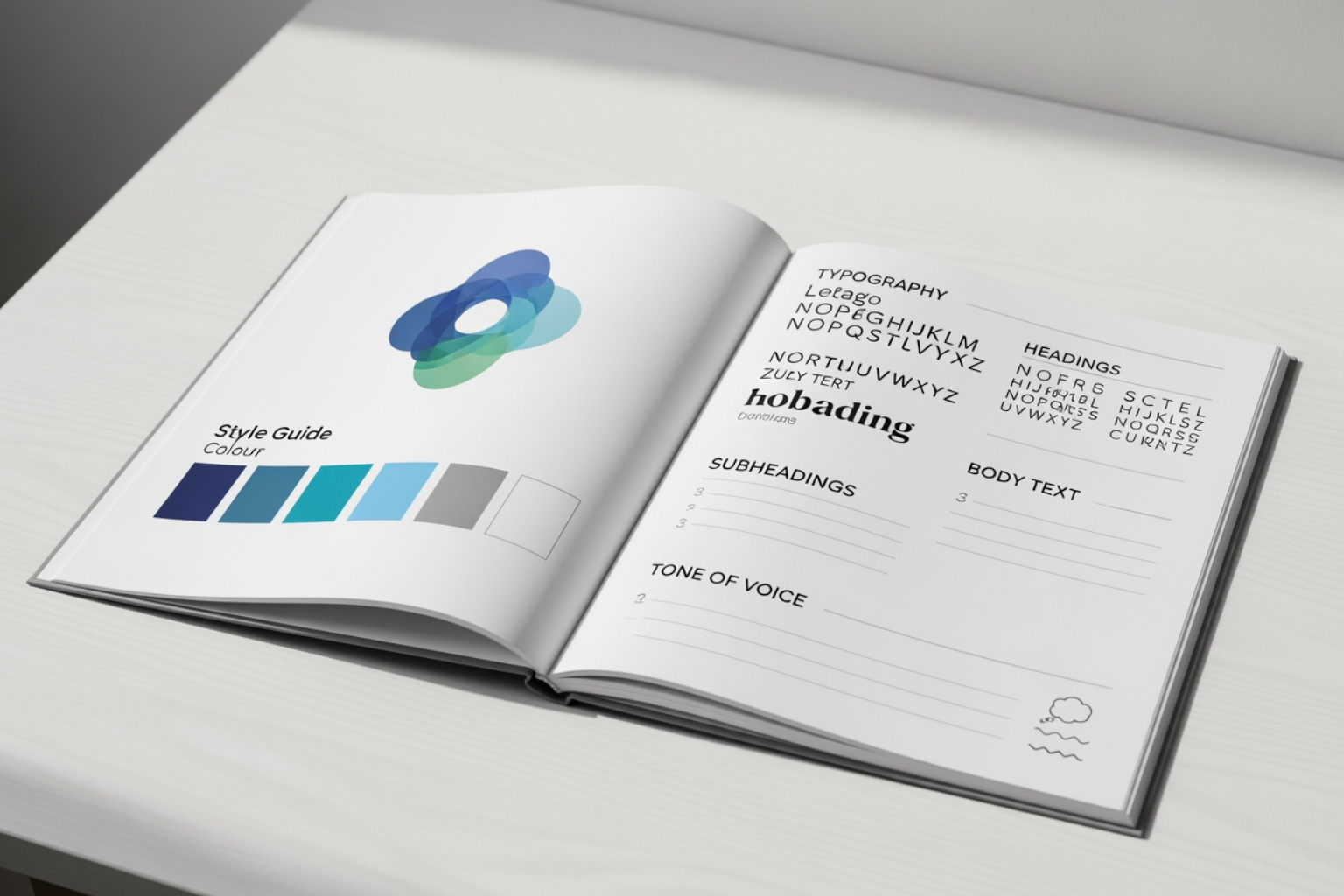
A brand style guide is your rulebook for maintaining consistency. This document ensures that every social media post, email, and store update looks and feels like your brand.
- Logo Usage: Detail how your logo can and can't be used. Include approved variations, minimum sizes, and clear space requirements.
- Color Codes: List your exact color codes (HEX and RGB) to ensure accurate reproduction everywhere.
- Font Hierarchy: Spell out which typefaces to use for headlines, body text, and calls to action, including sizes and weights.
- Tone of Voice: Describe your brand's personality in writing. Are you playful or serious? Provide examples to guide communication.
The goal is simple: make your brand instantly recognizable. That recognition builds trust, and trust builds sales. This is the power of a well-executed Shopify Branding and Identity.
Putting Your Brand Identity into Action on Shopify
You've defined your brand, designed your visuals, and created a style guide. Now it's time to bring your Shopify Branding and Identity to life. This is where strategy becomes customer experience. For more detailed strategies, explore our resources on Branding Strategies in E-commerce.
Customizing Your Shopify Store's Look and Feel
Your Shopify store is your digital storefront and needs to communicate who you are immediately.
- Choose a Shopify Theme: Select a theme that lines up with your brand's aesthetic and functional needs. Themes are built to be customized, so focus on finding the right structure and features.
- Apply Your Brand Colors and Fonts: Use your style guide to integrate your exact brand colors and chosen typefaces in the theme editor.
- Design Your Homepage: Use high-quality imagery and clear messaging that reflects your brand's essence and value. Wild One, a pet product company, does this well—their color choices are visible across their site and photography, creating a recognizable look.
- Maintain Product Photography Consistency: Use the same lighting, background, and composition for all product images. This creates visual harmony and signals quality.
Extending Your Brand Beyond the Website

Your brand extends beyond your website's checkout. Every interaction is a chance to reinforce your identity.
- The Unboxing Experience: This is a huge branding opportunity. Use custom packaging, branded tissue paper, or a personalized thank-you note to create a memorable moment. Fishwife Tinned Seafood Co. has such distinct packaging that customers share it on social media, creating free advertising.
- Social Media Profiles: Your profiles should consistently reflect your brand's visual identity and voice. You don't need to plaster your logo everywhere. Gummy candy brand Behave uses Instagram to communicate its personality through lifestyle images and memes.
- Email Marketing: Your email templates for newsletters and updates should be instantly recognizable. Use your logo, colors, fonts, and brand voice.
- Transactional Emails: Customize order confirmations and shipping updates. These emails have high open rates, so use them to reinforce your brand instead of relying on Shopify's defaults.
Ensuring Consistent Shopify Branding and Identity in Marketing
Every piece of marketing content either strengthens or weakens your brand.
- Social Media and Ads: When your social content and paid ads consistently use your brand's style and voice, you build recognition and trust.
- Blog Posts: Your blog's tone should match your brand's personality. This helps customers feel like they're building a relationship with you.
- User-Generated Content: Strong branding can inspire customers to create content featuring your products, effectively turning them into brand ambassadors.
- Brand Awareness Campaigns: Creative campaigns can transform small stores into recognized names. Momofuku Goods consistently uses its distinct visual style across products and social media to build a cohesive presence. For more ideas, see our insights on Brand Awareness Campaigns.
The common thread is consistency. Your Shopify Branding and Identity should be recognizable everywhere. That's how you build a brand that sticks.
Common Mistakes to Avoid and How to Grow Your Brand
Building your Shopify Branding and Identity is an ongoing process. I've seen how certain mistakes can hold a brand back, but I've also seen the growth that happens when brands learn to adapt.
Avoiding Common Branding Pitfalls
- Trying to Be Everything to Everyone: When you try to appeal to every customer, you end up resonating with none. Focus on your specific audience and craft a message that speaks directly to them.
- Inconsistent Messaging: If your brand voice and visuals differ across platforms, you create confusion and erode trust.
- Poor Quality Visuals: Blurry photos or amateur designs signal that your brand may not be professional or trustworthy. Your visuals need to be high-quality.
- Neglecting Brand Guidelines: Your style guide is a living document. Use it consistently to guide every design and communication decision to avoid diluting your brand.
Letting Your Brand Develop Over Time
Your brand identity isn't set in stone; it should grow with your business. The key is to make changes while staying true to your core values.
There's a difference between rebranding and refreshing. A full rebrand is a major overhaul. A refresh involves subtle updates to keep your brand feeling modern. For example, Gymshark evolved its logo to a cleaner, more minimalist version as the company and its customers matured. Similarly, Tupperware updated its visual identity with a modern typeface and vibrant colors to connect with younger generations while maintaining its reputation for quality.
Listening to customer feedback is crucial for guiding your brand's development. Their insights can reveal opportunities for improvement. Staying relevant means keeping an eye on market trends, but filter them through your core brand values. Not every trend will be a good fit.
Market changes, like new competitors or shifting customer expectations, can also require brand adjustments. Being prepared to adapt while maintaining your core identity is what separates brands that last from those that fade away. The goal is to build a strong foundation and then refine your Shopify Branding and Identity as you grow.
Frequently Asked Questions about Shopify Branding
How much does it cost to create a brand identity?
The cost depends on your approach and budget. You have options at every price point.
- The DIY Route: If you're on a tight budget, you can build a solid foundation yourself. Shopify offers a free logo maker, and you can find free online tools to help you choose color palettes and fonts.
- Hiring a Freelancer: For a more professional touch, you can hire a freelance designer. Costs can range from a few hundred dollars for a simple logo to several thousand for a complete brand identity package.
- Working with an Agency: For a complete strategy, an agency provides market research, strategic thinking, and a full creative team. This is a larger investment but offers the most thorough approach.
Can I change my brand identity later?
Yes, and you should expect to. Your Shopify Branding and Identity will naturally develop as your business grows.
A refresh involves small updates to keep your brand current, like modernizing your logo or adjusting your color palette. Gymshark did this by evolving its logo to a cleaner design. A full rebrand is more dramatic and redefines your brand's perception. Tupperware did this with a new typeface and colors to connect with younger customers.
The key is to listen to your customers and stay aware of market changes. Your core values should remain steady, but how you express them can adapt over time.
How do I make my Shopify store not look like a template?
The answer is in the details.
- Theme Customization: Don't settle for default settings. Adjust colors, upload custom fonts, and rearrange layouts to create a distinctive look.
- Photography: Original, high-quality images that reflect your brand's aesthetic will immediately set you apart from stores using generic stock photos.
- Custom Graphics: Use unique illustrations, patterns, or icons in banners and product descriptions to add personality.
- Brand Fonts: Uploading your brand's fonts instead of using standard web fonts makes your store feel more polished and professional.
For a complete walkthrough, check out our Shopify Store Branding Checklist. It guides you through every touchpoint to make your store uniquely yours.
To Sum Up: Let Your Brand Story Shine
Building a powerful Shopify Branding and Identity is one of the best investments you can make in your e-commerce business. We've covered the entire process, from defining your core values to applying your brand consistently.
What matters most is authenticity. Customers connect with genuine brands. Think of it as building a relationship, not just making a sale. With an authentic foundation, consistency becomes your superpower. A cohesive look, feel, and voice across your Shopify store, social media, and packaging builds trust and fosters loyalty.
Your brand is a long-term asset that grows with every positive customer interaction. It's the promise you make to your customers, and fulfilling it is how you build a business that stands out.
At First Pier, we help ambitious brands reach their full potential. If you're ready to build a memorable brand identity that drives real growth, I'd love to help. You can build a memorable brand identity with our expert help, and together we'll create something your customers will remember.





.png)
.png)

