


Summary
- Shopify influencer marketing uses social media creators to promote products, build trust, and increase sales.
- Nano- and micro-influencers (under 100,000 followers) typically have higher engagement rates than larger accounts.
- Shopify Collabs is a native app for finding creators, managing affiliate programs, and tracking commissions.
- Common campaign types include product gifting, affiliate commissions, and paid sponsored posts.
- Performance is measured using unique discount codes, affiliate links, and engagement metrics to calculate return on spend.
Why Influencer Marketing is a Growth Engine for Shopify Stores
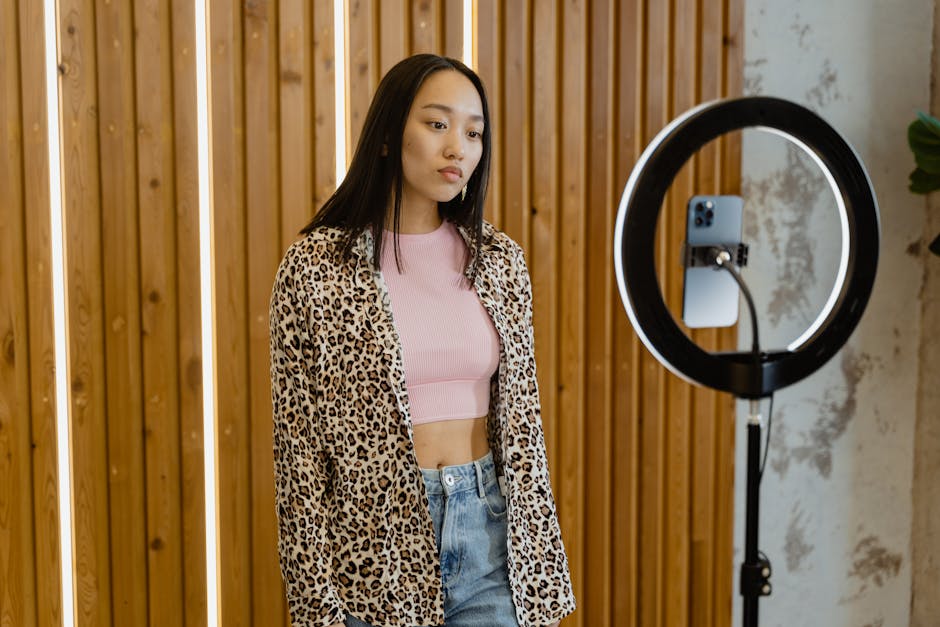
Shopify Influencer Marketing is a strategy where e-commerce brands partner with social media creators to promote products and drive sales. It works by using the credibility of influencers to reach consumers who ignore traditional brand ads.
Key Elements of Shopify Influencer Marketing:
- Focus on Nano- and Micro-Influencers (1,000-100,000 followers) for higher engagement rates and authentic connections
- Use Shopify Collabs to find creators, manage affiliate programs, and automate commission payments
- Run Multiple Campaign Types including product seeding (gifting), affiliate programs (commission-based), and sponsored posts
- Measure ROI through engagement rates, conversion tracking, and unique discount codes or affiliate links
- Prioritize Authenticity by giving creators creative freedom and building long-term partnerships
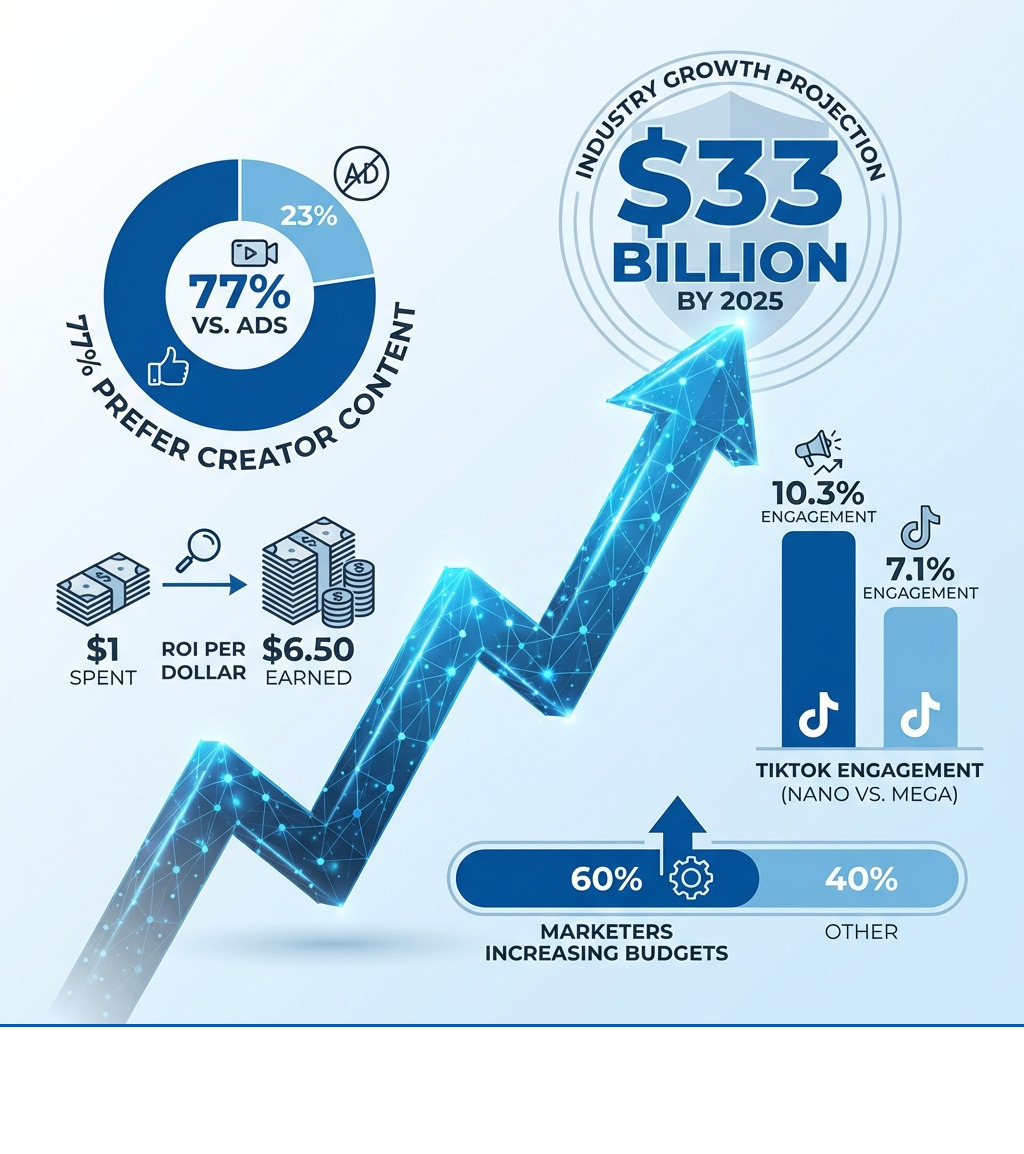
As acquisition costs rise and consumers distrust traditional ads, influencer marketing has become a primary growth channel. The numbers show that 77% of people now prefer creator content over brand ads, and brands earn an average of $6.50 for every $1 spent on influencer marketing. For industries like beauty, skincare, and fashion, social media creators shape up to 40% of purchase decisions.
This reflects a change in how people find and trust products. Gen Z's attention span for traditional ads averages just 1.3 seconds, yet trust in influencers among Gen Z and millennials rose from 51% in 2019 to 61% in 2023. This is not about celebrity endorsements or scripted content. It is about real people sharing genuine experiences with products they actually use.
For Shopify merchants, this presents an opportunity. The influencer marketing industry is projected to surpass $33 billion globally in 2025, with 60% of marketers planning to increase their budgets. But success requires a clear plan for finding the right creators, structuring campaigns that deliver measurable results, and building authentic relationships.
Here at First Pier, we have spent years helping Shopify brands build growth plans that include Shopify Influencer Marketing alongside their paid social, email, and onsite work. The most effective programs we see do not treat influencer partnerships as one-off experiments. They treat them as a core performance channel that sits next to paid ads and lifecycle marketing in the overall plan.
Glossary for Shopify Influencer Marketing:
Understanding the Influencer Landscape
Influencer marketing is an effective way for e-commerce businesses to connect with their audience. It works by having trusted voices share your brand's story, product, or message. This approach helps with common e-commerce marketing problems.
One benefit is building a stronger connection with potential customers. When an influencer shares a product they genuinely like, it builds trust. This personal connection is something traditional ads struggle to create. Many shoppers want to feel a connection with a brand, not just be sold to.
Another important benefit is increased reach. Influencers have established audiences you might not otherwise reach. As social media use grows, working with these networks expands your brand's visibility. For example, TikTok is expected to grow to over 955 million users by 2025, showing the potential for new audiences.
Influencer marketing also helps increase social engagement. When people see content from creators they follow, they are more likely to interact with it. This interaction, like comments and shares, helps your brand's content spread organically. Higher engagement often means more brand awareness and a stronger community around your products.
Finally, you gain higher earned media value (EMV). This means more unpaid interactions where followers discuss and connect with your brand. Influencer marketing can return several dollars for every dollar spent, with top performers doing considerably better than that.
Types of Influencers
Not all influencers are the same. They come in different sizes, defined by their follower count. Understanding these types helps you pick the right partners for your brand.
| Influencer Type | Follower Count | Typical Cost (per post) | Engagement Rate (approx.) | Key Characteristics |
|---|---|---|---|---|
| Nano-influencers | 1,000–10,000 | $10–$100 | 4-6% (Instagram), 10.3% (TikTok) | Highly niche, strong community bonds, very authentic, high trust |
| Micro-influencers | 10,000–100,000 | $500–$5,000 | 3-5% (Instagram), 8.7% (TikTok) | Niche focus, good engagement, subject matter experts, relatable |
| Mid-tier influencers | 100,000–500,000 | $1,000–$10,000 | 2-3% (Instagram) | Broader reach than micro, still good engagement, growing influence |
| Macro-influencers | 500,000–1 million | $1,000–$10,000+ | 1-2% (Instagram) | Significant reach, often semi-celebrity, good for brand awareness |
| Mega-influencers | 1 million+ | $10,000–six figures | <1% (Instagram), 7.1% (TikTok) | Celebrity status, massive reach, high cost, lower engagement |
Note: Costs and engagement rates are approximate and can vary widely based on platform, niche, and other factors.
Nano-influencers (1,000 to 10,000 followers) and micro-influencers (10,000 to 100,000 followers) often specialize in a niche. They offer tighter community bonds, higher engagement, and greater subject matter expertise. Nano-influencers had the highest average engagement rate (6.23%) on Instagram. On TikTok, nano-influencers achieved engagement rates of 10.3%, while micro-influencers saw 8.7%. This is higher than influencers with over 500,000 followers, who had a 7.1% engagement rate. This shows that bigger isn't always better. These smaller creators often have a more engaged and trusting audience, making their recommendations feel more genuine.
Building Your Shopify Influencer Marketing Strategy
A successful Shopify Influencer Marketing program starts with a clear plan.
First, define your goals. What do you want to achieve with influencer marketing? Do you want to increase brand awareness, reach new customers, grow your social following, or drive direct sales? Your goals will shape every other decision. For example, if your goal is to increase brand awareness, you might focus on reach and impressions. If it's direct sales, you'll track conversions and revenue.
Next, set a budget. Influencer marketing can range from sending free products to multi-year paid contracts. Knowing what you can spend helps you decide which types of influencers and campaigns are right for you. Remember to consider all costs, not just what you pay the influencer.
Then, define your target audience. Who are you trying to reach? What are their interests, demographics, and where do they spend their time online? This helps you find influencers whose followers match your ideal customer.
Finally, determine your campaign objectives. Are you looking for a quick sales boost or a long-term brand-building effort? This will guide your choice of campaign type and influencer tier. For more information on paid social strategies that can complement your influencer efforts, you can find help on our paid social services page.
Finding the Right Influencers for Shopify Influencer Marketing
Finding the right influencers is crucial for your Shopify Influencer Marketing success. It goes beyond just looking at follower counts. You need to find partners whose audience, content, and values align with your brand.
Here's how we approach finding the right fit:
- Audience Alignment: The influencer's audience should match your target customer. Look at their demographics, interests, and engagement patterns. A large following isn't helpful if it's not the right audience for your products.
- Content Quality: Review their past content. Is it high-quality, engaging, and consistent? Does it fit your brand's aesthetic and message?
- Engagement Metrics: Beyond follower count, check their engagement rate (likes, comments, shares per post). Nano- and micro-influencers often have higher engagement, indicating a more connected audience. Genuine, positive comments are a better sign of a strong following than just likes.
- Vetting for Authenticity: Sadly, fake followers exist. Look for consistent engagement, thoughtful comments, and growth patterns that seem natural.
- Brand Values: Do their personal values and public persona align with your brand's ethos? An authentic endorsement feels natural when the influencer genuinely believes in your product.
- Existing Customers as Influencers: The best partnerships often start with people who already love your products. Nothing is as authentic as someone who already knows and loves your brand. You can even add a creator application form to your site to let interested customers pitch you.
- Competitor Research: Look at non-competitors in similar niches. If you sell watches, you might look at backpack brands to see who they work with, as they might share a similar customer base.
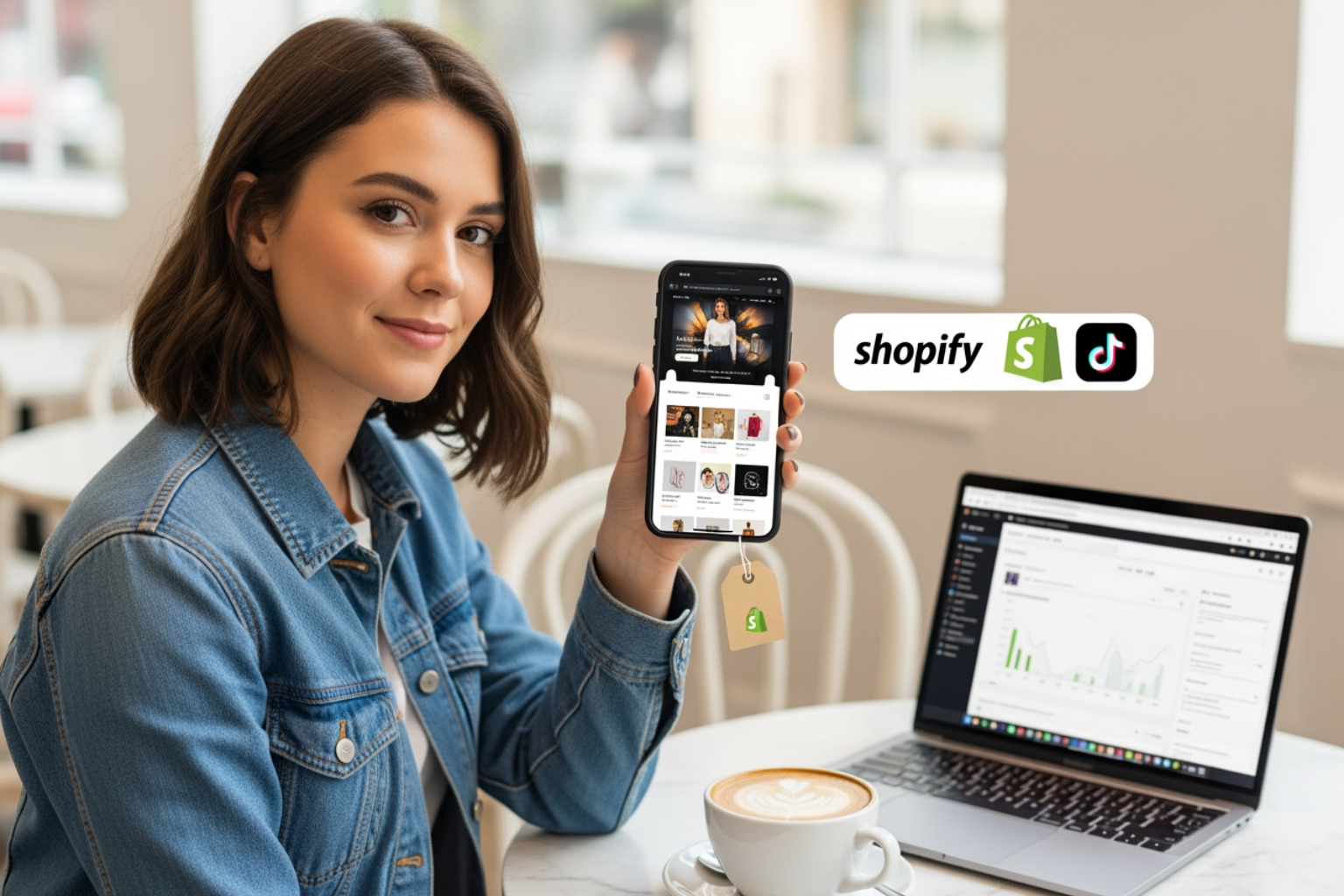
- Using Shopify Collabs: Shopify Collabs is a tool built directly into Shopify. It helps you manage your affiliate program and find new creators. You can search for influencers based on keywords, interests, and audience size. You can also send direct invitations to creators you already know. Install Shopify Collabs to manage this process.
Common Campaign Structures
Once you've identified potential influencers, you need to decide how you'll work together. There are several common campaign structures for Shopify Influencer Marketing:
- Product Seeding (Gifting): This involves sending free products to influencers without any obligation to post. The idea is that if they genuinely love the product, they might share it organically. This is a great way to build authentic relationships. For instance, Three Ships Beauty treats seeding as relationship-building, not a transaction. Ninety-two percent of marketers say seeding has increased brand awareness, and 76% report it has at least somewhat driven sales.
- Affiliate Programs: Here, influencers earn a commission on sales they drive using unique links or discount codes. This is a performance-based model, meaning you only pay when sales happen. Affiliate marketing was valued at $18.5 billion in 2024 and is projected to grow 8% annually through 2031. Shopify Collabs helps manage these programs by allowing creators to sell your products for commission, even without individual approvals through its open access feature.
- Sponsored Posts: This is a direct payment for a predetermined number of posts or content pieces. The influencer creates content featuring your product and shares it with their audience. This can be a single post, a series, or even a multiplatform campaign across different social channels.
- Brand Ambassadorships: These are longer-term partnerships where an influencer becomes a regular advocate for your brand. They might create content over several months, attend events, or even help with product development. Gymshark, for example, has its "Gymshark Athlete" program as a core part of its marketing.
- Giveaways & Contests: Influencers host a giveaway of your product, often requiring followers to like, comment, or tag friends to enter. This can quickly increase engagement and brand awareness.
- Reviews: Influencers create content reviewing your product. Even if paid, it's crucial for these to be honest. A dried pasta company, for instance, might pay an amateur chef to review its products on YouTube.
Executing Your Campaign and Ensuring Authenticity
Executing a Shopify Influencer Marketing campaign well means more than just sending a product and hoping for the best. It requires careful communication and a focus on authenticity.
Influencer Outreach
The way you approach influencers can make or break a potential partnership.
- Personalization: Avoid generic messages. Show you've done your homework by mentioning specific content they've created or why you think they'd be a great fit for your brand.
- Clear Briefs: Provide a brief that outlines your expectations, key messages, and any must-haves (like discount codes or tags). However, do not over-direct. Consumers are increasingly immune to overly scripted #ad content. The best results come when creators have room to express their perspective.
- Creative Freedom: Trust the influencer to create content that resonates with their audience. Their voice earned their audience's trust; your job is to fit into it. Nik Sharma suggests, "You're not just paying an influencer to post about your product. You're forming a relationship with a director, a producer, a filmer, the talent, the editor... but all as one person."
- Content Approval Process: While giving creative freedom, you should still have a process to approve content before it goes live. This helps ensure brand safety and that the content follows your guidelines.
- Building Relationships: Think of influencers as partners, not just a marketing channel. Some of the best partnerships start with a free sample and a conversation, as Steven Vigilante, Olipop's director of strategic partnerships, points out.
Legal and Ethical Considerations
Transparency is key in influencer marketing. Both brands and influencers have responsibilities to ensure consumers know when content is sponsored.
- FTC Guidelines: The Federal Trade Commission (FTC) has clear rules about endorsements. Under the FTC's Endorsement Guidelines, brands and influencers must be transparent about their relationships.
- Disclosure Requirements: This means clearly labeling sponsored posts with tags like
#ad,#sponsored, or using platform-native tools like Instagram's "Paid partnership with _" label. Even free products count as a material benefit and must be disclosed. Disclosures must be obvious, easy to see, and if it's a video, they should be both on-screen and spoken. Both the brand and the influencer are responsible for making these disclosures. - Influencer Contracts: Always use a written contract. This should clearly define deliverables, timelines, compensation, content usage rights (who owns the content and where else it can be used), and any exclusivity clauses (e.g., the influencer cannot work with a competitor for a certain period).
- Usage Rights: It's important to clarify if you can repurpose the influencer's content for your own ads or social media channels. Many brands find influencer content performs better than branded content, with 60% of marketers agreeing that influencer content performed better on their brands’ social channels than branded content.
Creating Authentic Content
Authenticity is central to successful Shopify Influencer Marketing. Consumers are smart, and they can spot inauthentic content a mile away.
- Trust Factors: The top factors that increase trust are authentic reviews (even if not 100% positive) and transparency about brand partnerships.
- Avoiding Overly-Scripted Content: Give influencers creative freedom. Their audience follows them for their unique voice and style. When you try to control every word, it often sounds forced and less genuine.
- Storytelling: Encourage influencers to tell a story about how your product fits into their life or solves a problem for them. This resonates much more than a simple product shot.
- User-Generated Content (UGC): Encourage influencers and even customers to create user-generated content. This can be strong social proof. Brands like Nominal began by sending free pieces to influencers who couldn’t be paid. Many posted anyway because they genuinely loved the products, sparking organic visibility.
- Repurposing Content: The content created by influencers is valuable. You can reuse it on your product pages, in email campaigns, or as ads. For example, the skincare brand Healthish worked with Instagram influencers to promote its water bottle launch. They sent products to many subsections of the market, and if influencers loved it, they shared it. This authentic content can then be repurposed.
Measuring Success and Building Community
Measuring the success of your Shopify Influencer Marketing campaigns is essential to understand what works and to refine your strategy.

Key Performance Indicators (KPIs)
To know if your efforts are paying off, you need to track specific metrics:
- Reach: How many unique people saw the influencer's content?
- Engagement Rate: This measures how many people interacted with the content (likes, comments, shares) relative to the audience size. Higher engagement often indicates a more connected audience.
- Clicks: How many people clicked through to your website from the influencer's content?
- Conversions: How many sales or leads resulted directly from the campaign?
- Return on Ad Spend (ROAS): This calculates the revenue generated for every dollar spent on the campaign.
- Cost Per Acquisition (CPA): How much did it cost to acquire one new customer through the influencer campaign?
Understanding these numbers helps you make data-driven decisions.
Measuring the ROI of Your Shopify Influencer Marketing Campaigns
Measuring the exact ROI can be challenging because influencer marketing often has both direct and indirect impacts. Here's how we approach it:
- UTM Parameters: Use unique UTM codes on all links provided to influencers. This allows you to track traffic and conversions coming directly from their content in Google Analytics.
- Unique Discount Codes: Provide each influencer with a unique discount code for their audience. This is a direct way to attribute sales to specific creators.
- Affiliate Links: If running an affiliate program, ensure each influencer has their own trackable affiliate link. Shopify Collabs is designed to help you track affiliate campaign performance directly from your Shopify admin.
- Shopify Collabs Tracking: Shopify Collabs helps track commissions and sales driven by your creators. Commission payments through Shopify Collabs are subject to an additional 2.9% payment processing fee, payable by the merchant.
- Post-Purchase Surveys: Ask customers how they heard about your brand. This can reveal indirect influence from creators.
- Comparing CPE and CPC: Influencer Marketing Hub recommends comparing cost per engagement (CPE) and cost per conversion (CPC) to identify which creators drive the highest efficiency. Often, micro-influencers with strong niche authority outperform larger accounts in terms of cost-effectiveness.
From Influence to Community
The most successful Shopify Influencer Marketing strategies go beyond transactional campaigns to build lasting communities and brand loyalty.
- Long-Term Partnerships: Instead of one-off posts, cultivate ongoing relationships with influencers. These long-term partners become true brand advocates, and their consistent endorsements build deeper trust with their audience. Kopari, a prestige skincare brand, grew into an eight-figure business by making influencer collaboration a regular part of its content plan.
- Community Events: Bring your community together in real life or virtually. Shoe brand Rothy’s, for example, partnered with culture writer Emily Sundberg for a pizza-making night and with second-hand shopping expert Erika Veurink for a clothing swap. These events create memorable experiences and build a stronger community.
- Fandom: Gen Z and millennials are highly community-oriented; 54% of them see fandom as a way to make new friends, and 50% say being part of a community is important. Influencers can use this desire by creating spaces where fans can connect over shared interests.
- Brand Loyalty: When customers feel part of a community and trust the voices recommending your products, they are more likely to remain loyal. Olipop, a beverage brand, found its creator community contributes 12% of total sales, achieving a 982% ROI through a hybrid model of product seeding and performance commissions.
- Turning Customers into Advocates: Encourage your most passionate customers to become micro-influencers or brand ambassadors. They already love your product, making their recommendations incredibly authentic.
Building these relationships can increase customer retention and loyalty.
To Sum Up: Integrating Influencer Marketing into Your Growth Plan
Shopify Influencer Marketing is a core part of a modern e-commerce growth plan. It is an effective way to connect with consumers who are skeptical of traditional advertising and prefer recommendations from trusted creators.
Here at First Pier, we integrate Shopify Influencer Marketing into a brand's overall growth plan. A well-run program can increase brand awareness, drive sales, and build a loyal customer base by establishing genuine connections with an audience.
If you are ready to build an influencer program for your Shopify store, our team can help. We can build your paid social strategy and integrate it with influencer campaigns that deliver measurable results.





.png)
.png)

