



Summary
- A Shopify loyalty program is a marketing tool designed to reward repeat customers, increasing their retention and lifetime value (CLV).
- Common types of loyalty programs include points-based, tiered, paid (subscription), and value-based models, each offering different ways to engage customers.
- Effective programs integrate with Shopify POS for an omnichannel experience, use customer data for personalization, and are promoted through channels like email marketing.
- Key metrics for measuring a loyalty program's success include customer retention rate, repeat purchase frequency, average order value (AOV), and customer lifetime value (CLV).
Shopify loyalty programs are strategic tools that reward repeat customers to increase retention and lifetime value. Here's what you need to know:
- Purpose: Incentivize repeat purchases and build lasting customer relationships beyond one-time transactions.
- Common Types: Points-based (earn points per purchase), tiered (open up benefits as spending increases), paid subscriptions (upfront fee for exclusive perks), and value-based (rewards aligned with customer values like charitable giving).
- Key Benefits: Higher customer retention rates, increased average order value, more frequent repeat purchases, and lower overall marketing costs compared to constant new customer acquisition.
- Integration: Effective programs connect with Shopify POS for in-store and online rewards, sync with email platforms for personalized campaigns, and use customer data to tailor offers.
- Success Metrics: Track customer lifetime value, repeat purchase rate, average order value among members, and loyalty-generated revenue to measure return on investment.
Retaining customers is more difficult than acquiring them, but it is also more profitable. Existing customers can generate up to 300% more revenue than first-time shoppers, and retaining them costs less than acquisition. Many Shopify store owners, however, treat loyalty programs as an afterthought or a simple discount mechanism.
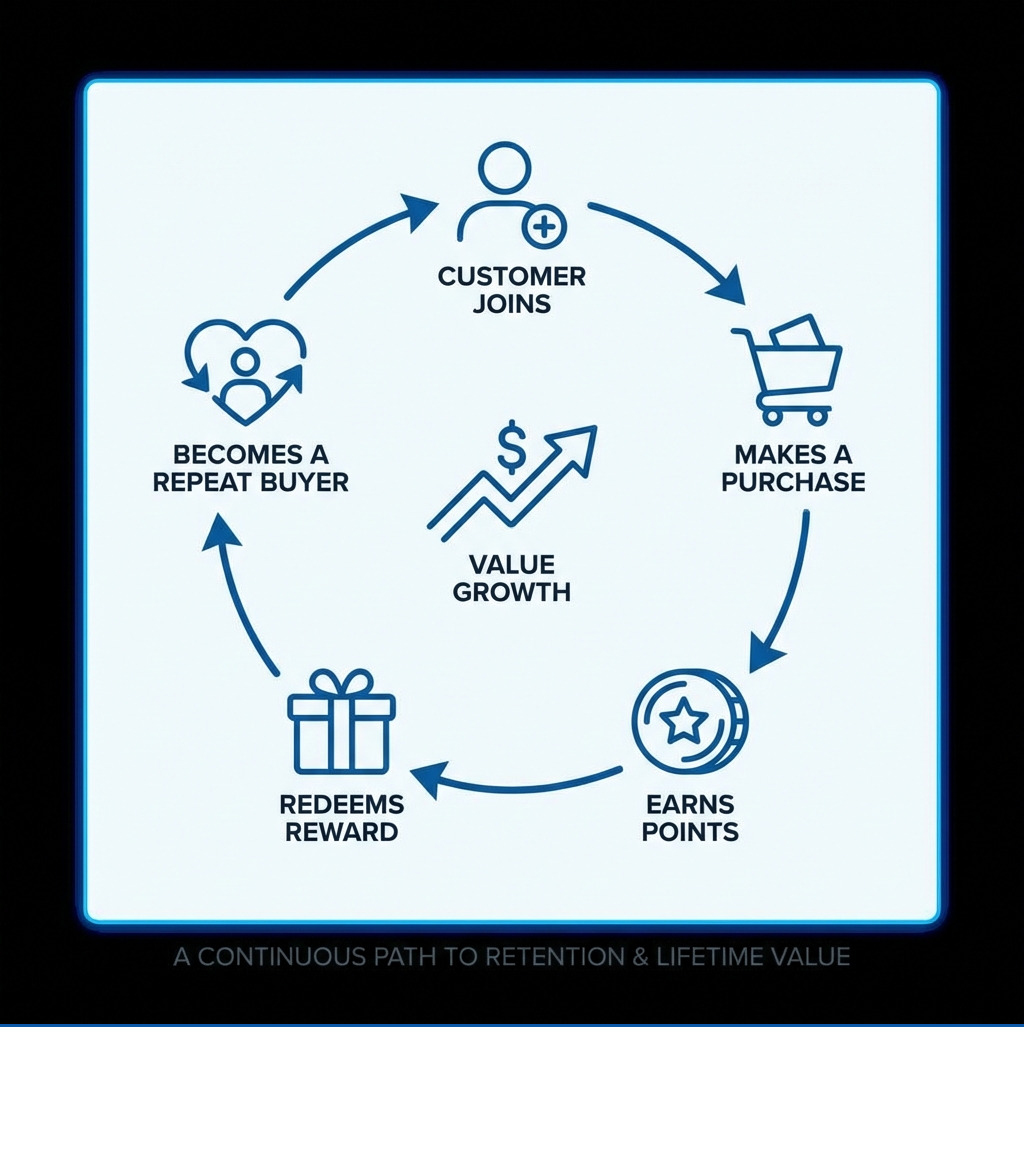
A well-designed loyalty program is a system that turns one-time buyers into repeat customers and brand advocates. It creates a specific reason for customers to choose your store again, beyond just offering points for purchases. Since 85% of consumers say loyalty programs make them more likely to continue shopping with a brand, their value is clear.
Customers increasingly want to feel recognized and rewarded by the brands they shop with. A loyalty program makes this relationship tangible by giving customers a visible stake in your brand, which creates a switching cost that keeps them from going to competitors.
I'm Steve Pogson, and I've spent over two decades helping e-commerce businesses build sustainable growth through proven retention methods, including implementing and improving Shopify loyalty programs for brands like Wyman's Blueberries and Hyperlite Mountain Gear. The difference between a program that works and one that just gives away margin comes down to understanding the details, which we'll cover in this guide.
Shopify loyalty programs basics:
How Loyalty Programs Impact Key Metrics
A loyalty program is more than just a perk; it's a strategic investment that directly influences your core business metrics. Here at First Pier, we see how these programs make a difference.
First, consider Customer Retention. The goal of any loyalty program is to keep customers coming back, and they succeed. According to The Bond 2024 Loyalty report, 85% of consumers say loyalty programs make them more likely to continue shopping with those brands. This directly increases repeat purchase frequency. For example, some businesses see a 2x higher purchase frequency from loyalty members. When customers know they'll earn rewards, they're more inclined to choose your store over a competitor.
Second, loyalty programs significantly increase Customer Lifetime Value (CLV). When customers return more often and spend more each year, their CLV naturally rises. Research shows a 48% increase in CLV for businesses using effective reward programs. This is because loyal customers aren't just making small, one-off purchases; they're engaging with your brand over time, leading to a much larger total spend. Focusing on CLV is a smarter approach than constantly chasing new customers, whose acquisition costs can be high.
Third, loyalty programs increase Average Order Value (AOV). By offering tiered rewards or bonus points for reaching spending thresholds, you can motivate customers to add more items to their cart. This strategy encourages them to spend a bit more to achieve a better reward, thus increasing the value of each transaction.
Loyalty programs are fundamental to solid Ecommerce Retention Strategies. They create a positive feedback loop: customers get rewarded, feel valued, and are motivated to spend more, which in turn helps your business grow.
The Compounding Value of a Loyal Customer
The impact of a loyal customer extends far beyond their direct purchases. They become a valuable, often free, marketing force for your brand.
Think about word-of-mouth marketing. When customers love your brand and are part of a rewarding loyalty program, they're more likely to tell their friends and family about it. This organic promotion is valuable and costs significantly less than paid advertising. Referral programs within your loyalty structure strengthen this effect, directly incentivizing customers to bring in new business. Some brands have generated substantial revenue, such as $1.67 million, through referrals, points, and VIP programs.
Loyal customers are also more likely to provide user-generated content (UGC), like reviews, photos, and social media posts. This content builds trust and social proof for potential new customers. You can even reward customers for these actions within your loyalty program, turning them into active brand advocates.
A strong base of loyal customers leads to reduced marketing spend. When your existing customers are returning frequently and bringing in new customers through referrals, your reliance on expensive Customer Acquisition Cost (CAC) strategies decreases. This efficiency directly contributes to a healthier bottom line and a more stable business. By focusing on loyalty, you're not just getting repeat sales; you're building a community that champions your brand, significantly improving your overall Increase Customer Lifetime Value.
Core Types of Shopify Loyalty Programs
When setting up Shopify loyalty programs, you have several proven models to choose from, each with its own benefits. The best choice depends on your brand, your products, and your customer base.
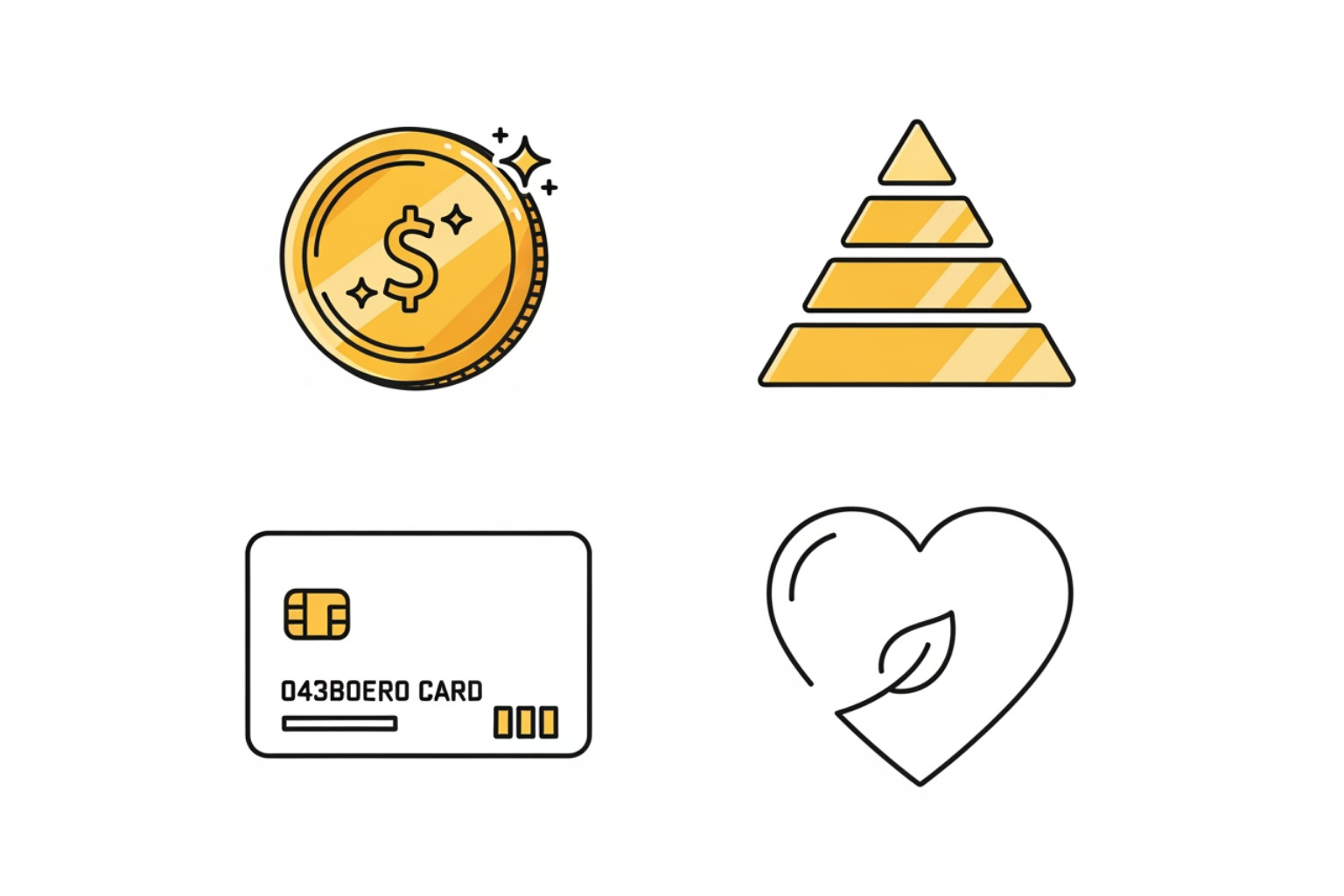
Here at First Pier, we guide our clients through selecting the right fit from these core types, often combining elements for a unique program. You can find many of these options through various Shopify Loyalty Apps.
Points-Based Programs
This is perhaps the most common and straightforward type of loyalty program. Customers earn points for every purchase, which they can then redeem for discounts, free products, or other rewards. It's simple, easy to understand, and provides clear incentives for spending.
Beyond purchases, points-based programs can reward customers for other actions that build engagement, such as leaving reviews, sharing on social media, signing up for newsletters, or even on their birthday. For example, the bodycare retailer Blume uses a points system called "Blume Bucks." Customers earn these bucks by following the brand on Instagram, placing an order, or referring friends, and can redeem them for products. This method encourages a variety of interactions, not just transactions.
Tiered Programs
Tiered loyalty programs add an element of exclusivity and gamification. Customers progress through different levels (tiers) based on their spending or engagement, with each higher tier offering increasingly valuable perks. This system encourages bigger spenders to continue buying to maintain or reach a higher status.
The tiers can offer various benefits, including higher point earning rates, exclusive discounts, early access to new products, free shipping, or special VIP treatment. For instance, skincare and beauty brand 100% Pure offers "Purist Perks" with tiers like Enthusiast, Activist, and Revolutionist, based on annual spend. Higher tiers get better point redemption values and exclusive benefits. This kind of program makes customers feel special and recognized for their loyalty, aligning with strategies for 5 Things to Do With Your VIP Customer Segment.
Paid (Subscription) Programs
Paid loyalty programs require customers to pay an upfront fee, usually annually or monthly, in exchange for immediate and ongoing benefits. The most famous example is Amazon Prime, which offers free fast shipping, streaming services, and exclusive deals.
For Shopify stores, a paid program can offer perks like free shipping on all orders, exclusive access to sales or new product launches, members-only content, or improved customer service. The key is to offer enough perceived value to justify the fee. These programs can be very effective in increasing customer commitment and purchase frequency, as members want to get the most out of their subscription. Shopify Subscriptions can be an integral part of this model.
Value-Based Programs
Value-based loyalty programs appeal to customers' emotional connections and ethical considerations. Instead of purely monetary rewards, these programs align with customer values, often by donating a percentage of purchases to a chosen charity or supporting a social cause.
This type of program helps build a deeper brand affinity and reputation, especially among socially conscious consumers. It's about showing that your brand stands for something beyond just selling products. While it might not offer direct discounts, the emotional reward can be a strong motivator for customer loyalty and repeat business.
Implementing Effective Shopify Loyalty Programs
Bringing a loyalty program to life on Shopify involves more than just picking a type; it requires careful planning, the right tools, and ongoing management.
Here at First Pier, we approach this as a key component of an overarching Ecommerce Growth Strategy.
Key Features to Look for in a Loyalty App
Choosing the right loyalty app is a critical first step. The Shopify App Store offers many options, but not all are created equal. When I evaluate apps for our clients, I look for these essential features:
- Deep Shopify Integration: The app should integrate directly with your Shopify store, including Shopify POS for an omnichannel experience. This means customer data, points, and rewards should sync automatically across all sales channels.
- Customization Options: Your loyalty program should feel like an extension of your brand. Look for apps that allow extensive customization of the program's look and feel, from colors and fonts to reward names and landing pages.
- Analytics and Reporting: You cannot improve what you cannot measure. A good app will provide clear dashboards and reports on key metrics like member growth, redemption rates, loyalty-generated revenue, and AOV of members versus non-members.
- Integrations with Email & SMS Platforms: Your loyalty program needs to communicate with your customers. The app should integrate with your existing email marketing (like Klaviyo or Omnisend) and SMS platforms for automated messages, promotions, and personalized offers.
- Referral Program Capabilities: Word-of-mouth is effective. A built-in referral system allows you to reward existing customers for bringing in new ones, effectively turning your loyal customers into your marketing team.
- Customer Segmentation: The ability to segment your customers based on their loyalty behavior allows for more targeted and effective campaigns.
- Ease of Use: Both for you to manage and for your customers to participate in. A user-friendly interface is a must.
- Support for Shopify Plus CRM Data: For larger businesses, ensuring the loyalty data feeds into or integrates with your CRM is crucial for a unified customer view.
Integrating with Shopify POS for an Omnichannel Experience
Customers expect a consistent experience whether they shop online or in a physical store. This is where integrating Shopify loyalty programs with Shopify POS becomes crucial for an omnichannel experience.
Shopify POS, while not having built-in loyalty features, integrates with third-party loyalty apps. This means customers can earn and redeem points without issue, regardless of where they make a purchase. For example, Milligram, a luxury stationery brand, saw a 12% increase in average order value from omnichannel shoppers and 16% growth in in-store revenue after implementing a loyalty program with Shopify POS.
The benefits are clear:
- Unified Customer Profiles: All customer data, online and in-store, is collected in one place. This allows for a complete view of customer behavior and preferences, which helps create truly personalized offers.
- Consistent Experience: Customers don't have to manage separate loyalty accounts for online and offline shopping. They can collect points during an online purchase and redeem them in your Portland, ME store, or vice versa.
- Improved Data Collection: A POS loyalty program helps collect valuable data on in-store purchases, which can be combined with online data for a holistic view of customer behavior. This unified data is essential for accurate performance tracking and understanding the full impact of your loyalty efforts.
- Increased Gross Merchandise Value (GMV): Merchants using Shopify POS' unified commerce functionality have reported an 8.9% increase in their gross merchandise value. This suggests that a cohesive online and offline strategy, including loyalty, directly contributes to higher sales.
When customers feel recognized and rewarded everywhere they interact with your brand, it builds stronger relationships and encourages more frequent purchases.
Customizing Your Program to Match Your Brand
Your loyalty program should be an authentic reflection of your brand identity, not a generic, off-the-shelf solution. Customization is key to making your Shopify loyalty programs truly yours.
- White-Labeling: The ability to fully white-label your program means removing any third-party branding and ensuring your customers only see your brand. This reinforces your identity and builds trust.
- Custom CSS and Visuals: Beyond basic branding, look for apps that allow you to inject custom CSS to fine-tune the appearance of your loyalty widgets, customer portals, and emails. This allows for precise alignment with your website's design.
- Branded Rewards Page: Create a dedicated landing page for your loyalty program that explains how it works, what rewards are available, and shows your brand's personality. This page should be easy to find and visually appealing.
- On-Brand Messaging: The language you use in your loyalty program—from the names of your points or tiers to the messaging in your emails—should align with your brand's voice and tone. A playful brand can have fun, quirky reward names, while a luxury brand might opt for more sophisticated terminology.
- Unique Earning and Redemption Rules: Customize how points are earned (e.g., more points for specific product categories, bonus points for social media shares) and redeemed (e.g., discounts, free gifts, exclusive experiences). This allows you to tailor the program to your specific business goals and customer preferences.
By customizing your loyalty program, you create a cohesive and memorable Customer Journey Mapping that strengthens your brand identity and makes customers feel truly connected.
Driving Success: Management, Promotion, and Measurement
Launching a loyalty program is just the beginning. To ensure it delivers real value, you need a solid plan for management, promotion, and continuous measurement.
This ongoing process is central to effective Customer Value Optimization.
Promoting Your Program to Drive Sign-ups and Engagement
A loyalty program won't help if customers don't know about it. Effective promotion is vital for sign-ups and ongoing engagement.
- Email Marketing Campaigns: Your existing email list is a prime audience. Send dedicated emails announcing your program, explaining its benefits, and providing a clear call to action to join. Integrate your loyalty app with tools like Klaviyo or Omnisend for automated welcome series and personalized updates.
- On-site Banners and Pop-ups: Use prominent banners on your homepage and strategic pop-ups (e.g., exit-intent pop-ups) to capture visitors' attention and encourage sign-ups.
- Social Media Announcements: Announce your program across all your social media channels. Run contests or giveaways exclusively for new loyalty members to create buzz.
- In-store Signage and POS Invitations: For brick-and-mortar locations in Portland, ME, make sure your staff are trained to invite customers to join the program at checkout. Display clear signage explaining the benefits.
- Order Confirmation and Transactional Emails: Include a subtle reminder or invitation in your post-purchase communications. Customers are highly engaged with these emails.
- Dedicated Loyalty Page: Create a clear, easily navigable page on your Shopify store that details all aspects of your loyalty program.
The goal is to make it easy and appealing for customers to join and participate.
The Role of Customer Segmentation in Shopify Loyalty Programs
One size rarely fits all, especially in loyalty programs. Customer segmentation is paramount for creating effective, personalized Shopify loyalty programs. As McKinsey & Company research revealed, 76% of consumers get frustrated when they don't receive personalized communications or offers. In fact, 25% of the revenue for digitally native brands comes from personalization.
By segmenting your customers, you can tailor rewards, communication, and earning opportunities to resonate with specific groups. The LoyaltyLevers Benefits Framework suggests segments like:
- Engaged Loyals: These are your VIPs. Offer them exclusive experiences, early access, or unique services to deepen their connection.
- Game Players: Motivate them with gamified elements like status levels, badges, streaks, and challenges.
- Brand Driven: These customers appreciate practical, straightforward benefits. Offer them birthday discounts, free shipping, or simple point-based rewards.
- Belongers: These are less engaged customers who might need occasional bonuses or low-effort earning opportunities to stay involved.
Understanding these segments allows you to design messages and rewards that truly matter to each customer type, driving higher engagement and perceived value.
Measuring Performance and Proving ROI
To know if your Shopify loyalty programs are working, you must measure their performance regularly. This isn't just about tracking points given out; it's about understanding the business impact.
- Customer Lifetime Value Calculation: Compare the CLV of loyalty program members to non-members. A higher CLV for members is a clear indicator of success.
- Repeat Purchase Rate: Track how often loyalty members return to make purchases compared to non-members. Businesses with loyalty programs often see significantly higher repeat purchase rates.
- Average Order Value (AOV): Analyze the AOV of purchases made by loyalty members versus non-members. Loyalty programs should ideally drive a higher AOV among participants.
- Redemption Rate: Monitor how many points or rewards are actually being redeemed. A low redemption rate might indicate that your rewards aren't appealing enough or are too difficult to claim.
- Loyalty-Generated Revenue: Many loyalty apps provide reports on the direct revenue attributed to the program, including sales from redeemed rewards and referred customers. Some brands have seen loyalty-generated revenue increase by 186% year-over-year.
- Customer Engagement Metrics: Track participation in non-purchase earning activities (e.g., reviews, social shares) to gauge overall program health.
Regularly reviewing these metrics helps you understand your program's effectiveness, identify areas for improvement, and prove the return on investment of your Ecommerce Strategy.
Frequently Asked Questions about Shopify Loyalty Programs
What are the best Shopify loyalty apps?
The best app depends on your specific needs. Instead of focusing on one name, evaluate apps based on key features: deep Shopify integration (including POS and Checkout), extensive customization to match your brand, a variety of reward types (points, tiers, referrals), and strong analytics to measure ROI. Look for apps with high ratings and responsive support in the Shopify App Store.
How do loyalty programs increase customer retention?
Loyalty programs increase Customer Retention by creating a value-based reason for customers to return. They build a reciprocal relationship where customers feel rewarded for their repeat business. This creates a switching cost—leaving your brand means abandoning their accumulated points and status—making them more likely to choose you over a competitor for their next purchase.
Can I migrate my existing loyalty program to a new Shopify app?
Yes, migrating between loyalty platforms is possible and a common process. Most reputable loyalty apps provide tools and dedicated support for importing customer data, including existing point balances and tier statuses. Key considerations include data mapping, customer communication during the transition, and ensuring no loss of earned rewards to maintain customer trust.
Conclusion
A loyalty program is not just a discount system; it's a core part of a complete Ecommerce Growth Strategy. By choosing the right type of program, focusing on features that matter for your business, and integrating it across all your customer touchpoints, you can build a system for repeat business and sustainable growth. The data shows that investing in your existing customers provides a clear return. For complex implementations and to ensure your program aligns with your broader business goals, partnering with an experienced agency like First Pier can make a significant difference. If you're ready to build a program that works, explore our Growth Marketing services.




