


Why a Strong Wholesale Strategy Matters for Your Shopify Business
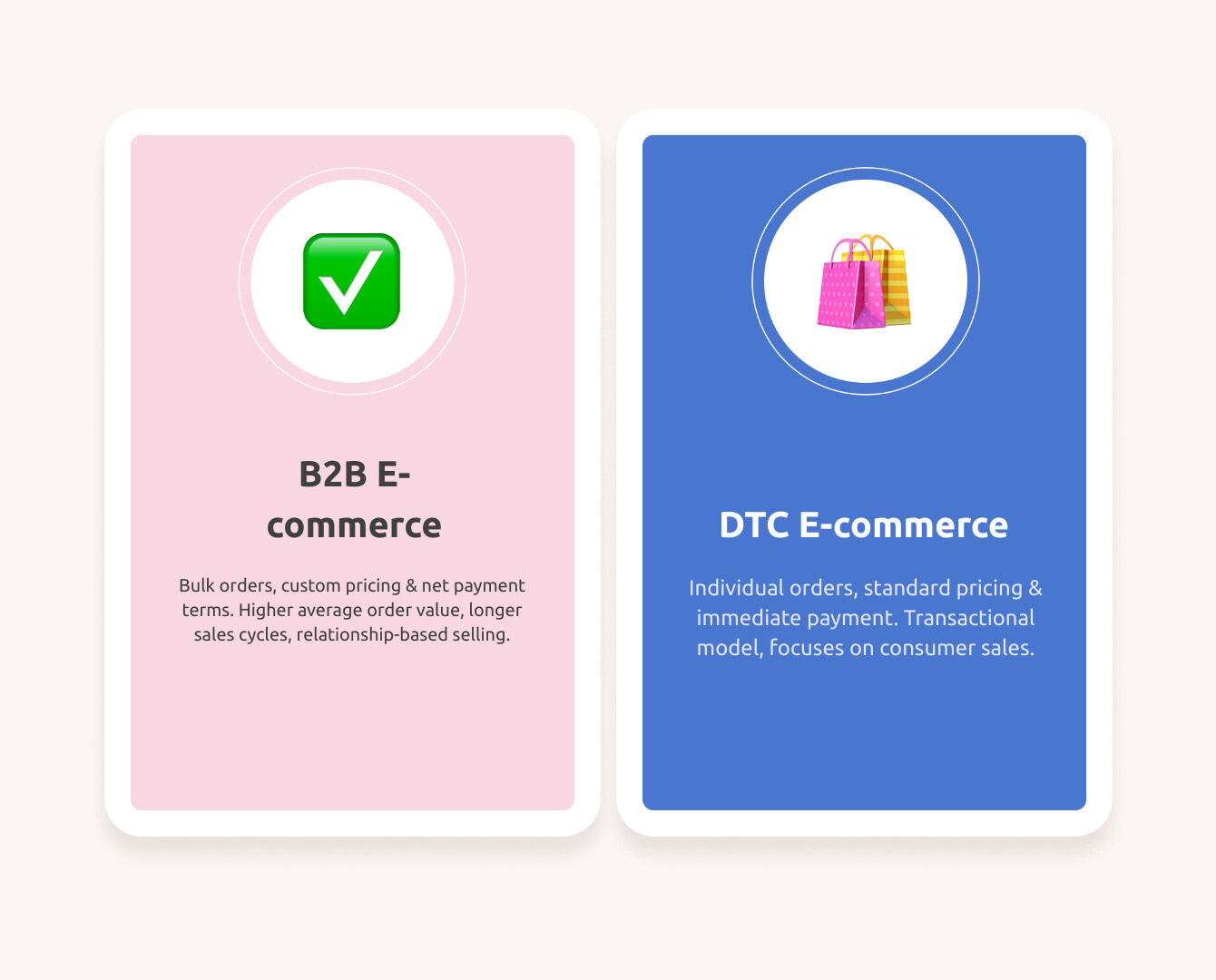
A Shopify Wholesale Strategy is your plan for selling products in bulk to other businesses (B2B) on Shopify. It involves custom pricing, simple order management, and dedicated customer experiences to grow revenue beyond direct-to-consumer (DTC) sales.
Key parts of a successful strategy include choosing your platform, setting up company accounts with custom price lists, offering a B2B checkout with net payment terms, marketing your channel, and managing it all with analytics.
The wholesale market is a huge opportunity. Global B2B ecommerce sales are expected to hit over $25 trillion by 2030, growing faster than DTC channels. Brands using Shopify's B2B tools see up to 3.2 times more reorders than DTC-only stores.
Your wholesale buyers want a smooth digital experience like retail customers, but with B2B needs: bulk pricing, flexible payment terms, and customer-specific catalogs. The right strategy meets these needs and gives you a competitive edge. Shopify lets you run both wholesale and retail from a single system, getting rid of the need for separate platforms or complex integrations.
The challenge is setting it up correctly. You need to make smart decisions about pricing, customer groups, and payment terms. Get it right, and you build lasting B2B relationships with predictable revenue. Get it wrong, and you risk lower margins and fulfillment headaches.
I'm Steve Pogson, and for over two decades, I've helped businesses build profitable Shopify wholesale frameworks. At First Pier, we've guided brands through every part of the setup, from technical details to marketing.
This guide explains everything you need to know, from platform options and setup to marketing, operations, and using data to improve performance.
Exploring Shopify's Wholesale Options
When creating a Shopify Wholesale Strategy, your first big decision is how to set up your wholesale channel. The right choice depends on your needs, budget, and how much control you want.
Wholesale is different from regular online selling. Instead of individual shoppers paying fixed prices, you're selling in bulk to other businesses. This means custom pricing, different payment terms like Net 30, and handling more complex relationships. You need tools that go beyond a typical retail store.
Shopify Plus B2B vs. Third-Party Apps
Your main choice is between using Shopify Plus's built-in B2B features or adding third-party apps to a standard Shopify plan.
If you're on Shopify Plus, you get strong B2B tools out of the box. You can run your DTC and wholesale business from the same admin panel, keeping your data, products, and orders in one place. This allows you to create custom shopping experiences for each wholesale buyer with their own pricing and payment terms. For a closer look, check out our guide on Shopify Plus B2B.
If you're on a standard Shopify plan, you'll need to use third-party apps from the Shopify App Store. These apps add wholesale features like custom pricing and minimum order quantities. They can be a good starting point but may have extra costs and potential conflicts with other apps. We cover this in our article on Shopify Wholesale Without Plus.
Here's how the two approaches compare:
| Feature | Shopify Plus B2B (Native) | Third-Party Apps (for standard plans) |
|---|---|---|
| Native Integration | Built directly into Shopify; everything works together smoothly | Requires app installation; quality and integration vary by app |
| Custom Pricing | Advanced price lists with percentage or fixed discounts, volume pricing, assigned directly to companies | Varies by app; usually offers tiered pricing but may need more manual setup |
| Checkout Experience | Dedicated B2B checkout with net payment terms (Net 30/60), PO numbers, and quick reorder lists | Depends on the app's checkout flow, which may not integrate perfectly with Shopify's native checkout |
| Scalability | Built for high-volume, enterprise operations; reliable at scale | Can scale, but performance depends on the app's infrastructure; possible conflicts with other apps |
| Cost | Included with your Shopify Plus subscription | Additional monthly or annual fees that can add up depending on features |
| Customer Management | B2B customer profiles with multiple contacts, locations, and permission levels | Usually manages wholesale customers through tags or custom fields; less robust for multi-user accounts |
| Inventory Management | Fully integrated with your main Shopify inventory | Generally integrates, but may have slight delays or need manual syncing |
| Analytics | B2B-specific filters built into your reports | App-specific reporting, or you'll need custom reports to separate B2B from DTC data |
In my experience, if you have serious wholesale volume or growth plans, the native Shopify Plus B2B features are the better long-term choice. If you're just starting with wholesale, a third-party app can be a good entry point. Finding the Best Shopify Wholesale App means matching it to your business goals.
Your platform choice influences everything in your Shopify Wholesale Strategy. Consider your current needs and future goals to build on the right foundation.
Setting Up Your Shopify B2B Wholesale Channel
After choosing your approach, the next step in your Shopify Wholesale Strategy is setting up the channel. This involves getting your Shopify store ready to handle B2B sales.
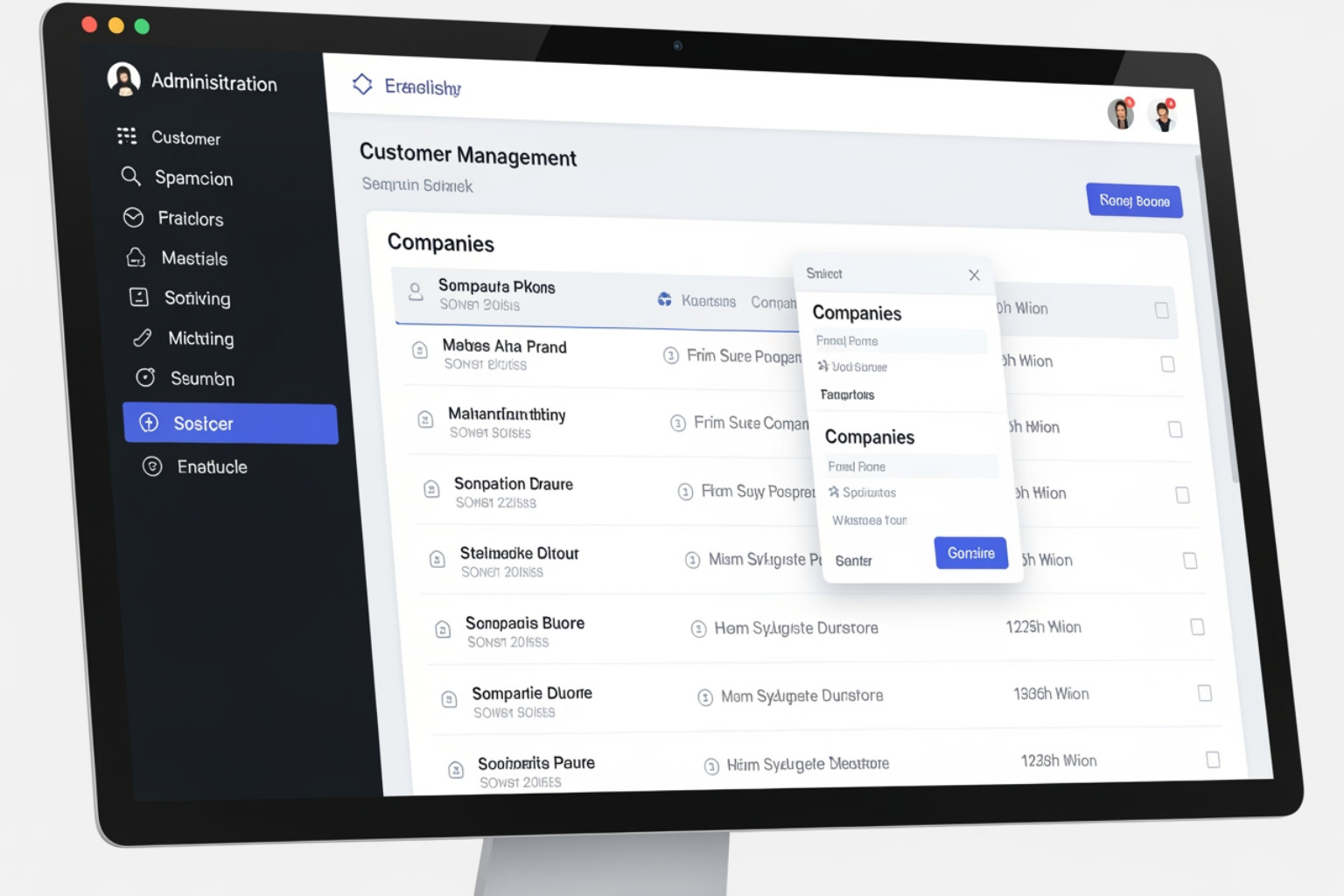
If you're using Shopify Plus, the B2B features are designed to be straightforward. The goal is to give your wholesale buyers an easy purchasing experience with the B2B tools they need. If you're thinking about upgrading, our team can help with a smooth Migrate to Shopify Plus B2B.
Step 1: Add Companies and Customers
The base of your B2B setup is organizing your wholesale buyers. Shopify's B2B features add "Companies" to your customer section. In your Shopify Admin, go to Customers, then Companies to add or import your wholesale clients. Each company profile holds all B2B information, including contacts with different roles (like "Admin" or "Ordering only") and multiple shipping locations. These B2B customer profiles keep everything in one place.
Step 2: Create Custom Price Lists and Catalogs
Wholesale pricing is rarely the same for everyone. Your Shopify Wholesale Strategy should use flexible pricing for different customer relationships. In your Admin, go to Products, then Price lists to set wholesale prices with fixed amounts or percentage discounts. You can also set order rules, like minimum quantities.
Once a price list is created, you assign it to companies. When an approved buyer logs in, they automatically see their correct pricing. You can also use the catalog feature to control which products are visible to which wholesale customers. This is great for exclusive agreements or managing inventory, ensuring each B2B customer has a personalized experience.
Step 3: Configure B2B Checkout and Payment Terms
The B2B checkout needs to be efficient and support wholesale payment methods. First, turn on new customer accounts in your settings to allow B2B customers to log in to their wholesale portal.
A key part of B2B is offering flexible payment terms, like Net 30 or Net 60. Shopify's B2B tools let you assign these terms directly to company profiles, so buyers can place orders and pay later. The B2B checkout also supports purchase order numbers and lets buyers save details for faster reordering. The customer accounts feature lets you show B2B customers their specific products and pricing while keeping your retail pages separate.
These Shopify B2B Features work together to make buying easy for your wholesale clients, which encourages repeat business.
Building a Winning Shopify Wholesale Strategy
Setting up the technical side is just the start. A successful Shopify Wholesale Strategy also needs smart marketing, plans for international growth, and the use of technology.

Effective Marketing for Your Shopify Wholesale Strategy
Finding wholesale customers is different from attracting retail shoppers. Here are some B2B-specific tactics that work:
- B2B Marketplaces: Platforms like Faire connect you with retailers actively looking for new products. It's a fast way to find qualified buyers.
- Trade Shows: Meeting face-to-face builds trust. Check trade show directories for events in your industry. Even just attending can create new opportunities.
- Content Marketing: Create content that helps your buyers, like case studies showing how other retailers succeeded with your products. Your buyers care about margins and sell-through rates.
- Targeted Outreach: Build a list of potential buyers and send personalized emails. A warm introduction is more effective than a generic pitch. LinkedIn is also great for finding and connecting with buyers.
- Referral Programs: Encourage your best customers to refer others. The 80/20 rule often applies here, so reward your top partners for bringing in new accounts.
Expanding Internationally with Shopify B2B
Going global can greatly increase your market reach. Shopify's B2B features help B2B international selling by providing tools for:
- Multi-Currency and Region-Specific Catalogs: Shopify Plus lets you show prices in local currencies and create catalogs for specific regions. This removes friction and lets you manage different product assortments or pricing for different markets.
- Localized Taxes and Duties: International tariffs and taxes can be complex. For example, a 25% tariff can raise a product's end price by 9-10%. Shopify helps manage these, but you still need to understand local rules.
- International Shipping and Compliance: Have a clear shipping policy for international orders that covers duties and transit times. Also, make sure your products meet local laws and certifications like ISO or Fair Trade.
Using AI and Automation in Your Shopify Wholesale Strategy
AI and automation help you scale your wholesale business without proportionally increasing your workload.
- Automated Reminders and Recommendations: AI can analyze purchase patterns to send automated reorder reminders. It can also suggest new or complementary products to increase average order value.
- Shopify Flow: This is a powerful automation tool for B2B workflows. You can automate tasks like sending welcome emails, notifying your team of large orders, or sending payment reminders. My team at First Pier helps clients set up these kinds of Shopify Automation solutions.
- Forecasting and Customer Tagging: AI can help predict demand for better inventory management. It can also automatically tag customers based on their behavior, making it easier to send targeted marketing.
Automating tasks frees you up to focus on building relationships and growing your business.
Managing and Optimizing Your Wholesale Operations
A good Shopify Wholesale Strategy requires excellent operations. This means simplifying how you handle orders, inventory, and customer relationships, and using data to make smart decisions.
Simplifying Order, Inventory, and Customer Management
Efficient operations keep clients happy and your business profitable. Here are some tools to help:
- Draft Orders: You can create an order for a client with their specific pricing and send them an invoice or a link to pay. This is great for custom orders or following up after a trade show.
- Bulk Reordering: Shopify's B2B features often include a "Buy Again" option, letting clients restock with a few clicks. This leads to more predictable revenue.
- Centralized Inventory: With Shopify's native B2B, your wholesale and DTC inventory are in one place. This prevents overselling and keeps stock levels accurate across all channels.
- Self-Serve Portals: Give wholesale customers their own portal to view order history, track shipments, and place new orders. This reduces the workload for your customer service team.
- CRM Integration: While Shopify manages customer data well, a dedicated CRM like SalesForce or Insightly can help you track all communications and build stronger relationships. 80% of your business often comes from 20% of your customers.
Using Analytics to Make Informed Decisions
Data should drive your business decisions. Look beyond basic sales numbers to improve your Shopify Wholesale Strategy.
Track metrics like sales by company to find your most valuable partners. A high reorder rate shows customer satisfaction, while a low rate might signal a problem. Monitor your wholesale average order value (AOV) to see if your pricing encourages larger orders. Also, track payment term adoption to manage cash flow effectively.
Shopify Plus B2B includes filters in your reports to analyze wholesale performance separately from DTC. This separation is key, as what works for one channel may not work for the other. Using this data helps you find trends and improve profitability, a key part of our Ecommerce Analytics & Analysis process.
Solving Common Wholesale Challenges
Even with the best tools, challenges can arise. Here’s how to solve them:
- Channel Conflict: To prevent wholesale partners from undercutting your DTC prices, use Minimum Advertised Price (MAP) policies.
- Manual Order Entry: Reduce errors and save time by encouraging clients to use the self-serve portal and by using draft orders.
- Inventory Sync Issues: Run both B2B and DTC on Shopify Plus for a single inventory system that prevents overselling.
- Managing Custom Pricing: Use Shopify's native price lists and company profiles to easily assign specific pricing and catalogs to each client.
- Inefficient Communication: Use automated email workflows for order updates and a CRM to track conversations for more personal follow-ups.
- Inflexible Payment Terms: Offer industry-standard credit with Shopify Plus B2B's native net payment terms (Net 30, Net 60, etc.).
- Slow Shipping: Simplify your fulfillment process to meet ship dates, especially for larger retailers, as missing deadlines can damage your reputation.
Frequently Asked Questions about Shopify Wholesale
Here are answers to some of the most common questions I get about running a wholesale business on Shopify.
What's the main difference between Shopify's old wholesale channel and the new B2B on Plus?
The old wholesale channel on Shopify Plus was like a separate storefront that required its own management. The new B2B on Shopify Plus, launched in 2022, is a built-in feature. It lets you run both your DTC and B2B business from a single admin panel, sharing the same product, inventory, and customer data. This simplifies daily management and creates a more consistent brand experience without needing extra apps for core wholesale functions.
Can I run both a wholesale (B2B) and retail (DTC) business from one Shopify store?
Yes, and this is a major advantage of using Shopify Plus's native B2B features. You can use a single online store for both customer types. When a B2B customer logs in, they see their specific pricing and product catalogs. Your retail customers see the standard DTC experience. It's like having two different storefronts that share the same backend. You can do something similar with third-party apps on standard plans, but the integration isn't as smooth.
How do I set minimum order quantities (MOQs) for my wholesale customers?
Setting MOQs is important to make sure your wholesale orders are profitable. Shopify's B2B features let you set MOQs in a few ways. You can set them per product or variant, requiring a customer to order a certain quantity of a specific item. You can also set them per price list, which applies a minimum total order value or quantity for that pricing tier. This ensures each transaction is large enough to be worthwhile. Some third-party apps also offer global MOQs for all wholesale orders.
To Sum Up: Growing Your Business with Wholesale
A strong Shopify Wholesale Strategy is a real opportunity to change your business. By building smart B2B relationships on Shopify, you can open up entirely new revenue streams.
The foundation is knowing what Shopify offers, especially the native B2B features in Shopify Plus. These tools let you handle everything from custom pricing to flexible payment terms from a single platform, saving you time and effort.
Success comes from combining these technical tools with smart business moves: marketing to B2B buyers, considering international growth, and using automation to handle repetitive tasks. The numbers show why this matters: brands on Shopify B2B see up to 3.2 times more reorders, and the global B2B ecommerce market is expected to hit over $25 trillion by 2030.
What makes a wholesale channel thrive is attention to detail. Use analytics to find your best partners, build real relationships to create loyalty, and solve common challenges like inventory sync or manual orders to keep your operations smooth.
At First Pier, we know that setting up wholesale correctly from the start saves time and money. Whether you're just starting or ready to grow your B2B operations, experienced guidance makes all the difference.
For expert help creating and managing your wholesale operations, explore our Wholesale Strategy services.





.png)
.png)

