


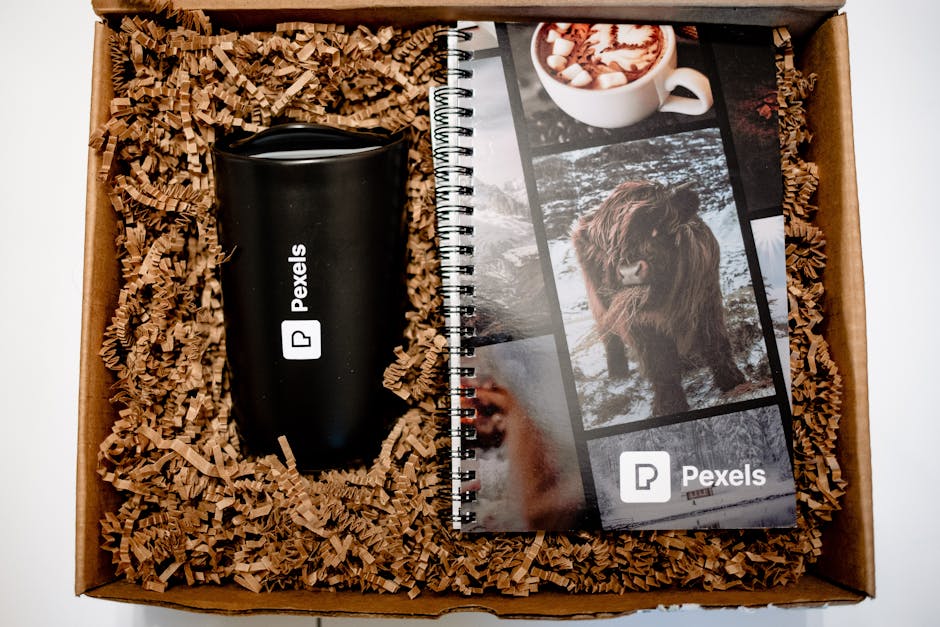

Why Subscription Box Marketing Matters Now
Summary
- Subscription box businesses deliver curated products to customers on a recurring basis, supporting predictable revenue.
- Key marketing methods include content marketing, SEO, social media, influencer partnerships, and paid advertising.
- Customer retention relies on a strong unboxing experience, responsive customer service, and loyalty or referral programs.
- Subscription models include curated, personalized, replenishment, and access-based approaches.
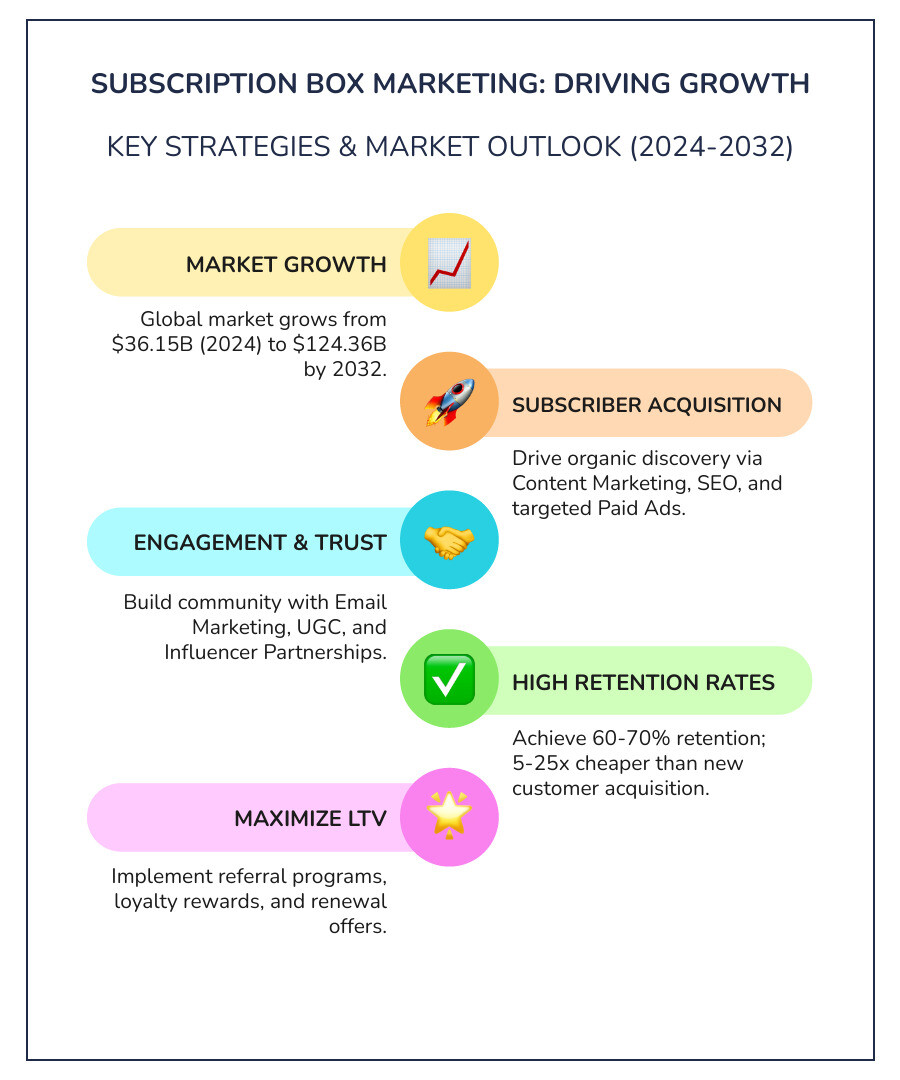
- The global subscription box market was valued at $36.15 billion in 2024 and is projected to reach $124.36 billion by 2032.
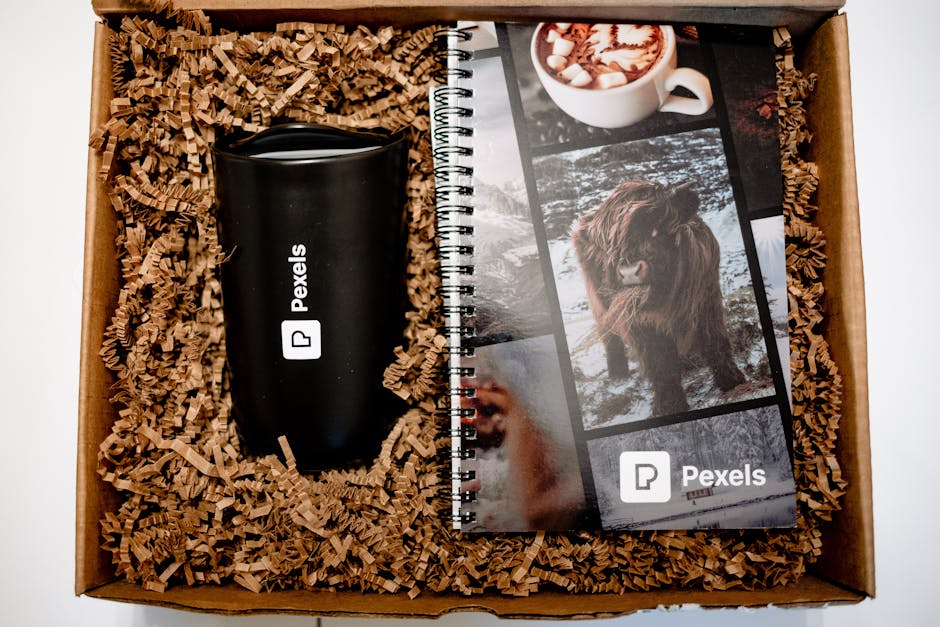
Subscription box marketing is the process of attracting, converting, and retaining customers for businesses that deliver curated or replenishment products on a recurring basis. Key approaches include:
- Content Marketing & SEO - Creating valuable content and optimizing for search to drive organic traffic
- Paid Advertising - Using Google Ads and social media campaigns to target specific demographics
- Email Marketing - Nurturing leads and retaining customers through automated sequences
- Influencer & Community Building - Using social proof and partnerships to build trust
- Retention Programs - Implementing referral programs, loyalty rewards, and renewal offers to reduce churn
The subscription box market is an established business model, not a trend. The global market reached $36.15 billion in 2024 and is projected to hit $124.36 billion by 2032, growing at 16.7% annually. This growth is driven by consumer demand for convenience, personalization, and curated experiences delivered to their doorsteps.
For businesses, subscription models solve a critical challenge: predictable revenue. Instead of chasing one-time sales, you build a base of recurring customers. The subscription box industry achieves 60-70% retention rates when executed well, and retaining existing customers costs 5 to 25 times less than acquiring new ones.
But growth isn't automatic. The market is crowded with over 10,000 subscription boxes competing for attention. Success requires a clear marketing plan that addresses every stage of the customer journey, from initial awareness through long-term retention.
The core challenge isn't just getting subscribers; it's keeping them. Many boxes struggle with churn as customers cancel after a few months. The businesses that succeed combine strong acquisition tactics with an equally strong focus on customer experience, community building, and continuous improvement based on data.
I'm Steve Pogson, founder of First Pier, and over the past two decades I've helped e-commerce businesses build long-term growth through subscription box marketing. Here at First Pier, we work with brands to develop subscription plans that balance acquisition with retention, creating systems that support growth.
Learn more about Subscription box marketing:
Understanding the Subscription Box Business Model
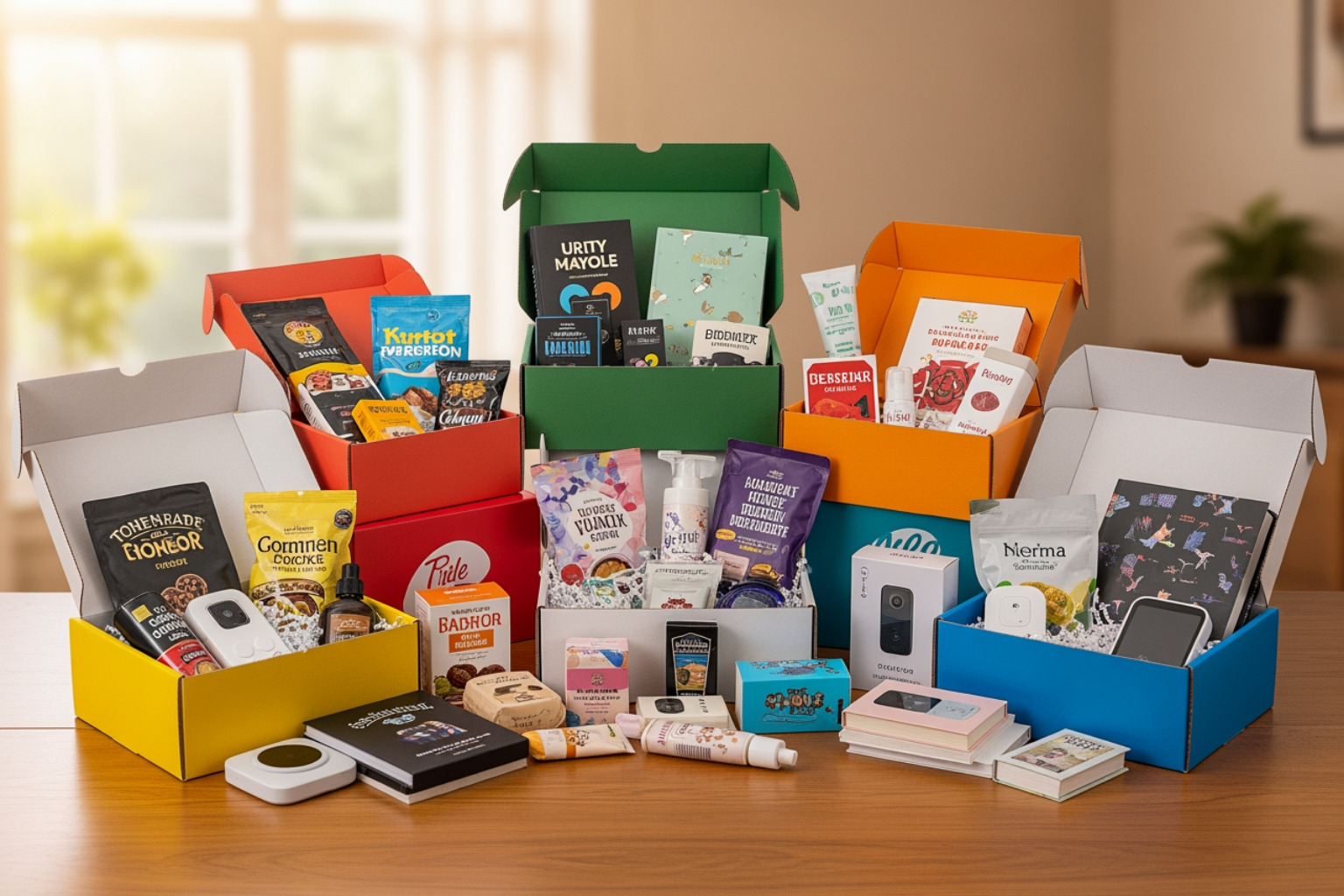
At its core, a subscription box business delivers curated products to subscribers on a regular, recurring basis. Customers pay in advance for these boxes, which contain an assortment of products and usually focus on a specific theme or interest. This model appeals to consumers who want convenience and novelty, allowing them to find new items or receive regular replenishments of products they use consistently. For businesses, this translates into consistent income and a direct line to consumer preferences.
The Four Core Subscription Models
Different types of subscription box models cater to various customer needs and business goals. Knowing these distinctions helps create an effective subscription box marketing plan.
Curated Collection Subscriptions:
- Concept: These boxes offer a surprise element, providing a selection of themed goods chosen by the business. The value is in the discovery of new products. Examples include beauty boxes like Ipsy or Birchbox, which send samples of new products, or Book of the Month, offering new reads.
- Pros for Businesses: High perceived value from product discovery, opportunities for brand partnerships, and flexible inventory management with diverse product mixes.
- Cons for Businesses: Maintaining novelty and avoiding customer fatigue can be difficult. High costs can come from sourcing a variety of products and managing multiple vendors.
- Pros for Customers: The excitement of discovery, access to new products, convenience.
- Cons for Customers: Risk of receiving unwanted items, less control over contents.
Personalized Subscriptions:
- Concept: These models go a step further than curation by tailoring box contents to individual customer preferences, often based on quizzes, surveys, or past behavior. Stitch Fix, for example, uses data analytics to offer personalized clothing selections. Skincare brands like Y'OUR and Proven Skincare build custom routines from initial quizzes.
- Pros for Businesses: Stronger customer loyalty from custom experiences, lower churn rates, and useful data for product development.
- Cons for Businesses: Requires complex data analytics and customization systems, which can be difficult to set up and maintain.
- Pros for Customers: Highly relevant products, a personalized experience, convenience.
- Cons for Customers: Requires initial effort to provide preferences, potential for data privacy concerns.
Replenishment Subscriptions:
- Concept: This model focuses on convenience, automatically delivering regularly used products before a customer runs out. Think of services for razor blades, coffee, pet food, or even certain skincare items like those offered by Myro or Kopari Beauty.
- Pros for Businesses: High predictability of demand, stable revenue, and the ability to forecast inventory accurately.
- Cons for Businesses: Less opportunity for the excitement of discovery, which can make differentiation difficult. Competition often comes down to price and reliability.
- Pros for Customers: High convenience, consistent supply of essentials, often at a discount.
- Cons for Customers: Can lead to overstocking if usage habits change, less excitement.
Access Subscriptions:
- Concept: Unlike the others that deliver physical products, this model provides members with exclusive benefits such as discounts, early access to new products, or members-only content. While less common for physical boxes, some services integrate access to a community or special deals as part of their offering.
- Pros for Businesses: Builds a strong community and brand loyalty, has lower operational costs since no physical goods are shipped.
- Cons for Businesses: The value must be consistently high to retain members, and it can be harder to show tangible benefits.
- Pros for Customers: Exclusive benefits, a sense of community, potential for savings.
- Cons for Customers: No physical product delivery, value is less tangible.
Understanding these models is the first step in building a resilient subscription business. Here at First Pier, we help businesses navigate these choices and develop a plan that aligns with their unique offerings. Learn more about our Subscription Strategy & Execution Services.
Primary Business Benefits
Adopting a subscription box model offers several advantages for businesses, leading to more stable operations and growth:
- Predictable Revenue: Recurring payments provide a steady income stream, making financial planning and forecasting much simpler than with one-off sales. This consistency allows for better investment in product development and marketing.
- Customer Data Collection: Each subscription provides specific data on customer preferences, purchasing habits, and engagement. This data is useful for refining product offerings, personalizing future boxes, and creating targeted subscription box marketing campaigns. Businesses can use this data to guide inventory decisions and marketing plans.
- Lower Acquisition Costs Over Time: While initial customer acquisition can be costly, the recurring nature of subscriptions means that the lifetime value (LTV) of a customer is typically higher. This makes the initial acquisition cost more justifiable and reduces the overall cost of retaining customers, which is 5 to 25 times cheaper than acquiring new ones.
- Improved Inventory Management: With predictable demand, businesses can manage inventory more effectively, reducing waste and improving purchasing. This is particularly true for replenishment models where consumption rates are more consistent.
- Increased Customer Lifetime Value (LTV): By building ongoing relationships and continuously providing value, subscription models inherently aim for a higher customer LTV. This long-term engagement is crucial for sustainable growth.
For businesses looking to implement or refine their subscription offerings, platforms like Shopify provide tools for managing recurring payments. We help our clients Sell Subscriptions on Shopify and configure Recurring Payments in Shopify to ensure operations run correctly.
The Core of Subscription Box Marketing: Acquiring New Subscribers
Attracting new subscribers is necessary for any subscription box business. This involves a multi-channel approach, focusing on reaching potential customers where they are and showing them the unique value your box offers.
Content Marketing and SEO
Content marketing and search engine optimization (SEO) are fundamental to organic growth in subscription box marketing. By creating useful content, you answer customer questions, build brand authority, and appear higher in search results.
- Blogging for Results: Creating blogs, videos, and guides that address your ideal customer's interests can drive traffic and build trust. For example, a supplements subscription box might write articles on healthy eating, subtly linking to their protein supplements. Statistics show that 77% of bloggers say blogging drives results, making it an effective method.
- Keyword Research and SEO Best Practices: To show up in search results, you need to understand what terms your potential customers are searching for. This means doing keyword research to find relevant terms, including long-tail keywords that are more specific. Applying these keywords in your content, headings, and meta descriptions helps your site rank higher. SEO is a high-ROI channel, with some estimates showing returns at 22:1. My team and I help businesses put these plans into action, ensuring their content reaches the right audience.
- Video Content: Video is an effective medium for subscription box marketing. Unboxing videos, in particular, are highly effective. They show the excitement of receiving a box, the quality of the products, and the overall experience. Other video types, like tutorials, Q&As, and behind-the-scenes content, build trust and engagement. You can find examples of successful unboxing videos from subscription box companies on platforms like YouTube and Instagram.

Here at First Pier, we offer More info about SEO services to help your subscription box stand out.
Paid Advertising: PPC and Social Ads
While organic growth is important, paid advertising provides immediate visibility and allows for precise targeting.
- Google Ads (PPC): Pay-per-click (PPC) campaigns on Google allow you to bid on keywords related to your subscription box. When someone searches for those terms, your ad appears. This is an effective way to capture intent. Google estimates that businesses make $8 in revenue for every $1 spent on ads, showing the potential ROI of a well-managed PPC campaign.
- Social Media Ads: Platforms like Facebook and Instagram offer very specific targeting capabilities. You can reach specific demographics, interests, and behaviors. This allows you to serve ads to highly relevant audiences. For example, a kids' activity box can target parents of young children interested in educational toys. Social media ads are also effective for retargeting campaigns, reaching people who have visited your site but haven't subscribed yet. A/B testing different ad creatives and copy is essential to find what resonates best with your audience.
We assist clients with More info about paid search services to drive targeted traffic and conversions for their subscription boxes.
Effective Email Marketing for Subscription Box Marketing
Email marketing is a direct and effective channel for both acquiring new subscribers and retaining existing ones. It has a 42% ROI for subscription models.
- Welcome Series: When a potential customer signs up for your email list (perhaps in exchange for a discount), an automated welcome series can introduce them to your brand, show the benefits of your box, and guide them towards their first subscription.
- Abandoned Cart Emails: If a customer starts the sign-up process but doesn't complete it, an automated email can remind them of their selection and encourage them to complete the purchase.
- Promotional Campaigns: Regular emails can announce new box themes, special offers, or limited-edition items. These keep your audience engaged and provide reasons to subscribe or continue their subscription.
- Segmentation: Dividing your email list into segments based on interests, past purchases, or engagement levels allows for more personalized and relevant messaging. This helps ensure that subscribers receive content that is most valuable to them.
Here at First Pier, we build effective email plans for our clients. Learn more about our More info about email & SMS marketing services.
Building a Loyal Community Around Your Box
Beyond the products themselves, a strong community and social validation are important for long-term subscription box marketing success.
Using Social Proof and Influencer Marketing
People trust recommendations from others, especially from friends, family, or respected figures.
- Customer Reviews and User-Generated Content (UGC): Displaying positive customer reviews and testimonials on your website and social media builds trust. Encouraging subscribers to share photos and videos of their unboxing experiences or how they use the products (UGC) is very effective. This user-generated content acts as authentic social proof, showing potential subscribers that others already love your box. Brands like Ipsy build strong communities by encouraging subscribers to share their beauty looks and experiences.
- Influencer Partnerships: Collaborating with social media influencers, especially micro-influencers who have highly engaged niche audiences, can expand your reach. For example, FabFitFun has effectively used influencer marketing to grow its community. It's about finding influencers whose audience matches your ideal customer and who align with your brand's values. Affiliate programs, using platforms like Shareasale, can also encourage influencers and content creators to promote your box, turning them into partners in your subscription box marketing efforts.
Here at First Pier, we help businesses develop plans for More info about building community and loyalty.
Creating a Memorable Unboxing Experience
The moment a subscriber opens their box is a critical touchpoint. A memorable unboxing experience can improve customer satisfaction and encourage social sharing.
- Custom Packaging and Branded Materials: The physical box itself is an extension of your brand. Investing in custom packaging, branded tissue paper, and well-designed inserts creates excitement and a sense of care. Companies like Packlane specialize in custom packaging solutions.
- Product Presentation: How the products are arranged inside the box matters. Thoughtful presentation, perhaps with a custom card or a small surprise item, adds to the experience.
- Surprise and Delight Elements: A small, unexpected bonus item or a handwritten note can make a subscriber feel valued and create a positive emotional connection. This improves the overall experience and makes it more shareable on social media.
We also assist our clients with their More info about collateral design services to ensure every touchpoint reflects their brand's quality.
Increasing Lifetime Value: Retention and Optimization
Acquiring new customers is important, but retaining existing ones is often more cost-effective and essential for long-term growth. Effective subscription box marketing focuses heavily on keeping subscribers happy and engaged.
Key Tactics for Customer Retention
- Renewal Offers: As a subscription approaches its renewal date, offering rewards like a discount on the next billing cycle or a bonus item can motivate customers to continue. These offers make subscribers feel valued and reduce churn.
- Referral Programs: Encouraging existing subscribers to refer new ones is an effective retention and acquisition tool. Referred customers make significantly more repeat purchases, are 3 times more likely to send referrals, and have double the lifetime value of non-referred customers. Brands like BarkBox have successfully used loyalty programs and referral incentives to increase retention.
- Loyalty Programs and Gamification: Rewards programs, where subscribers earn points for purchases or engagement, can build loyalty. These points can be redeemed for discounts, exclusive products, or upgrades. Gamification, adding game-like elements to the subscription experience, can also keep customers engaged.
Managing these programs effectively often requires specialized tools. We help businesses manage their Shopify Subscription Management to manage these efforts.
Using Data and Feedback for Continuous Improvement
Data analytics and customer feedback are important for understanding what works, what doesn't, and how to continuously refine your subscription box offering.
- Customer Surveys and Feedback Forms: Regularly ask for feedback from your subscribers. Ask about product preferences, packaging, delivery experience, and overall satisfaction. This direct input is very useful for making informed adjustments.
- Analyzing Purchase Data and Auditing Demographics: Examine your sales data. What products are most popular? Are there seasonal trends? Auditing customer demographics helps you understand your audience better (e.g., age, gender, location). This information can then be used to adjust your subscription box marketing plans, ensuring your messages and product selections are relevant to your core audience. For example, if you find a large segment of your audience is interested in eco-friendly products, you can adjust your sourcing and messaging accordingly.
- A/B Testing Offers: Test different offers, discounts, or communication methods to see what yields the best results for both acquisition and retention. This data-driven approach helps you make decisions based on actual customer behavior.
Here at First Pier, we assist with Shopify Subscriptions Automation Guide and offer More info about ecommerce analytics services to help you make sense of your data.
Best Practices for Subscription Box Customer Service
Excellent customer service is non-negotiable in the subscription industry. Customers expect prompt, helpful responses to their inquiries.
- Proactive Communication: Keep subscribers informed about their upcoming boxes, shipping updates, and any changes to their subscription. Proactive communication reduces customer anxiety and the need for them to reach out.
- Self-Service Portals: Provide an easy-to-use customer portal where subscribers can manage their subscriptions, update payment information, skip boxes, or change their preferences without needing to contact support. This puts control in their hands and reduces the burden on your customer service team.
- Chatbot Examples: Integrating chatbots, like the one BOXYCHARM uses on Facebook, can handle common inquiries efficiently, providing 24/7 support for questions about shipping status or box customization.
- Handling Complaints and Managing Subscription Changes: When issues arise, respond quickly and empathetically. Making it easy for customers to pause or cancel their subscription, rather than making it difficult, can actually reduce churn. A frustrating experience is a primary cause of churn. As this article by HelpScout explains, good customer service skills are important.
The Future of Subscription Commerce
The subscription box marketing landscape changes with consumer demand for personalized experiences and new technology.
Niche vs. Broad: Challenges and Opportunities in Subscription Box Marketing
The market has both broad-appeal boxes and highly specialized niche offerings. Each has its own set of considerations.
- Niche Boxes: These cater to very specific interests, hobbies, or lifestyles. Examples include BarkBox for dog owners or Book of the Month for avid readers.
- Opportunities: Less competition within the specific niche, higher engagement and loyalty from a passionate audience, and the ability to source unique, harder-to-find products. Acre75 Gift Box Co., for example, successfully built a business around products from small Canadian towns.
- Challenges: Market size limitations can restrict growth, and sourcing highly specialized products can be more complex.
- Broad Boxes: These appeal to a wider audience, often focusing on general categories like beauty, wellness, or lifestyle.
- Opportunities: Larger potential customer base, easier to grow operations and marketing efforts.
- Challenges: Intense competition, requiring strong differentiation to stand out.
Both models can succeed with a clear understanding of their target audience and a custom subscription box marketing approach.
Innovations and Future Trends
The future of subscription box marketing will likely include greater personalization and integration of technology.
- Hyper-Personalization: Expect more advanced algorithms and AI to tailor box contents to individual preferences, moving beyond basic quizzes to predictive analytics based on usage and feedback.
- AI-Driven Curation: Artificial intelligence will play a bigger role in selecting products for curated boxes, predicting trends, and matching items to subscriber profiles with greater accuracy.
- Sustainability Focus: Consumers are increasingly conscious of environmental impact. Subscription boxes that focus on sustainable sourcing, eco-friendly packaging, and ethical production will likely have a competitive edge.
- Augmented Reality (AR) Experiences: AR could allow customers to virtually try on beauty products from your box or see how a home decor item would look in their space before they open the package. This technology offers new ways to market subscription boxes.
- Integration with Smart Home Devices: While still new, future developments might include subscription services that anticipate needs based on smart home data, such as replenishing pantry items when supplies run low.
Adapting to these changes will be important for businesses aiming to maintain relevance and growth in the coming years.
To Sum Up
The subscription box model gives e-commerce businesses a way to build steady revenue and strong customer relationships. Success depends on a balanced approach, combining strong acquisition methods with a focus on retention and community. By understanding the different models, using data to improve your offering, and creating a memorable customer experience, you can build a resilient subscription business. Here at First Pier, we help businesses build and grow their subscription services.





.png)
.png)
