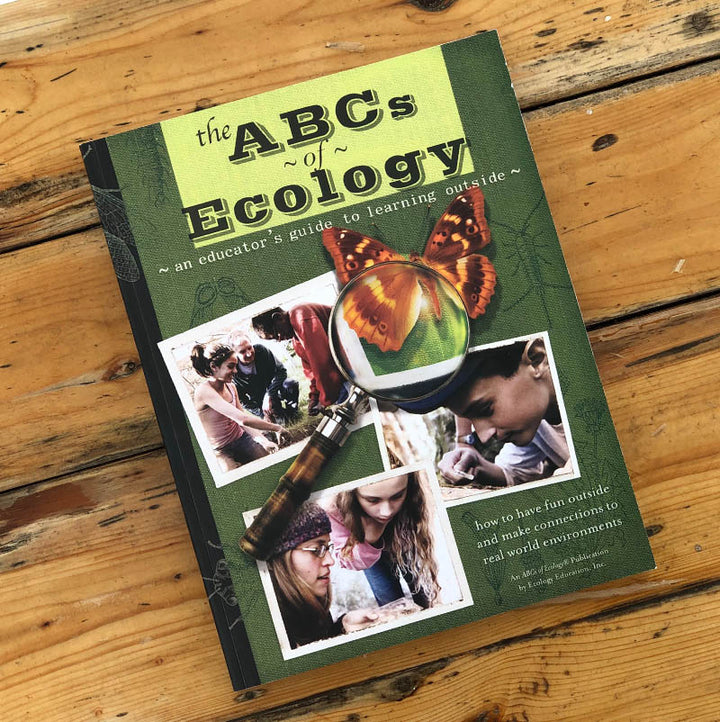
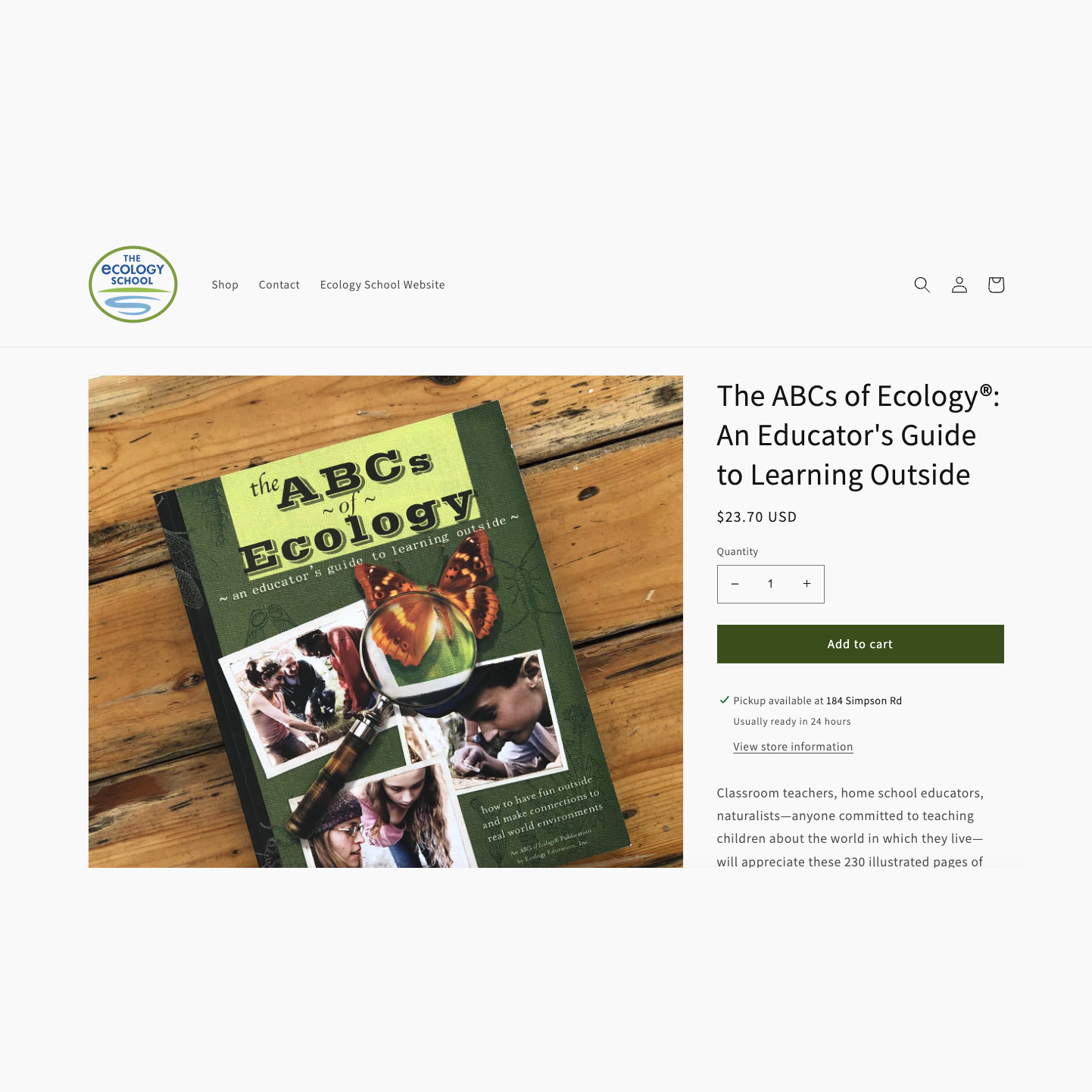
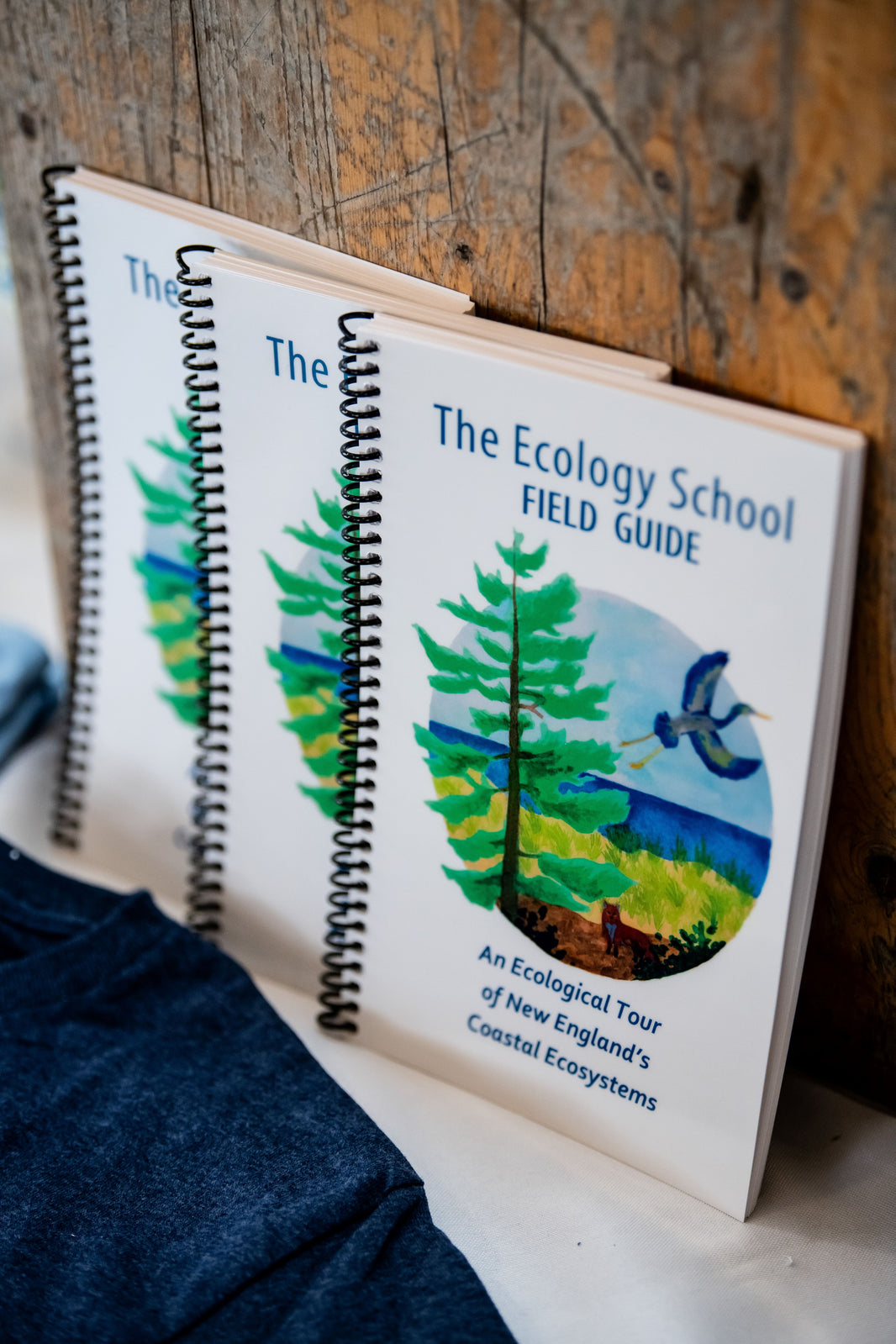
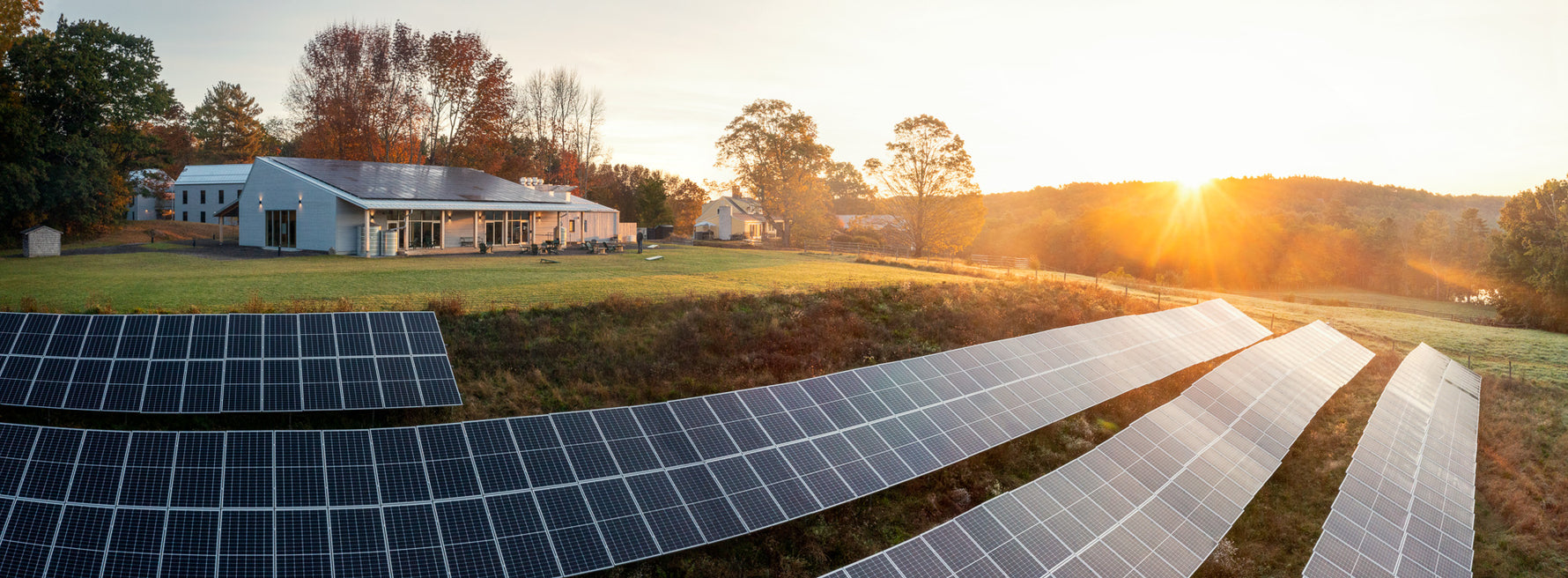
The Ecology School is a residential environmental education nonprofit on a campus of more than a hundred acres at River Bend Farm in Saco, Maine. It teaches ecology, food systems and sustainability to visiting school groups, and it publishes its own educational resources — a field guide to New England's coastal ecosystems, an educator's guide to learning outside — alongside the merchandise visitors take home.
The school's online store was not running on commerce software. It was running on Blackbaud.
Blackbaud is the backbone of a large part of the nonprofit sector — donor records, fundraising, constituent management — and it has a storefront attached. For issuing a receipt against a gift, that is a reasonable place to be. For selling a sized t-shirt, tracking a print run of field guides, and staying up through a spring rush of program families, it was a stretch, and the school was feeling it.
How much of a stretch became clear during intake. Asked to supply shipping weights, the school's marketing lead wrote back: “I've filled out the docs to the best of my ability — we've never weighed or integrated shipping into our online purchases before.” The old store carried five products, photographed at a resolution too low to carry across. This was not the migration of a mature ecommerce operation. It was the school's first one.

We moved the store to Shopify on an eight-week timeline, and spent the discovery phase making the school's decisions explicit rather than improvising them mid-build — a questionnaire, a kickoff, a sitemap, and two intake documents covering store configuration and page content.
Almost everything the new store needed had to be built rather than moved. Product specifications, weights, photography, descriptions and collections — none of it existed in a form a commerce platform could take, so all of it had to be created, configured, tested and rolled out inside the same eight weeks. That is the half of a first migration people underestimate. Switching platforms is the straightforward part. Building the catalog that goes on it is the work.
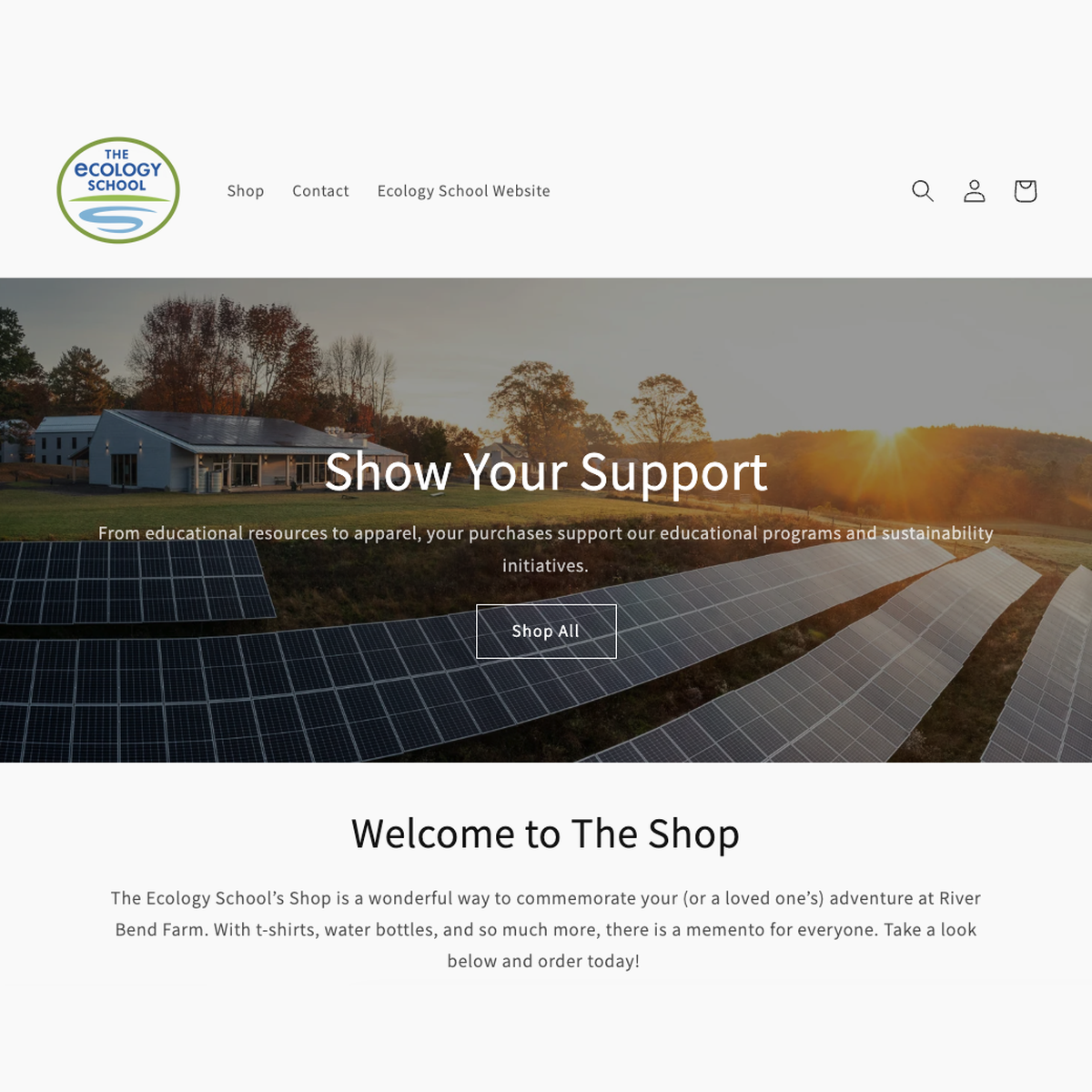
The store also had to disappear into what the school already had. Their main site runs on Squarespace, and the shop needed to read as part of it rather than as somewhere else a visitor had been sent. We designed and built the storefront to carry the school's identity across that handoff and integrated the two, so moving from the school's site to the shop and back is seamless.
The rest of a first launch is decisions an organization has never had to make and does not know are coming. Shipping rules. Order fulfillment. What gets reported, to whom, and how often. Returns and refund policy language. None of it is the glamorous part of the project and any one of them will hold up a launch. We have taken enough stores live to know which of these questions arrive in what order, so we walked the school through them in sequence rather than handing over a list and waiting. Where we could settle a question on their behalf we did, down to drafting the shipping and returns policy language. Then we trained the team, and handed over a store built to be run by the people who own it.
The store launched on Shopify and the school has run it themselves since.
The more interesting half came afterward. The Ecology School's Harvest Celebration is a fundraising event on the farm, and the store became the machinery behind it. Part of the celebration ran as an auction-style art sale, which is a different thing to sell than a beanie: every piece is one of one, and once it is gone it is gone.
Shopify out of the box has no vocabulary for that. So we customized the product and collection page templates to give it one — Sold in place of Sold out, and Coming Soon for work not yet released — and built a dedicated art collection with its own place in the navigation. That is theme-level work rather than a copy change, and it mattered on the day: a piece's status has to read correctly on the collection grid and on its own product page at the same moment, while the sale is moving.
Across the event we built and coordinated more than 45 new products. On the day we published product pages as pieces went live, set up and configured the Shopify POS channel so the team could take payment on an iPad standing in the middle of the farm, trained them on site, and stayed on call throughout.
That is the argument for putting a nonprofit on real commerce software. The same catalog that sells a mug to a visiting family online in one season can run an auction out of a field in another — with one inventory count behind both, so a piece sold at the event came off the same stock the website was selling from.
The storefront is still running four years on, split into Educational Resources and Merch — the books the school publishes, and the things people carry home from River Bend Farm. Every product it launched with is still selling.


Sector software is not commerce software.
A great deal of the nonprofit world runs on platforms built for fundraising and constituent management, with a store attached because somebody asked for one. Those platforms are often very good at what they were designed for. They are rarely good at variants, inventory, shipping rules, or a sale that has to run out of a field on a Saturday — and the organization pays for that gap in staff hours and downtime rather than in license fees, which is why it can go unnoticed for years.
The Ecology School did not need a bigger nonprofit system. They needed to stop asking one system to be two things. So we left Blackbaud to the job it was built for and built the other half properly: an affordable commerce platform they control, selling year round to students, parents and supporters and doubling as a fundraising asset.
We built it to take donations from the start, alongside the merchandise and the school's own published titles — so a supporter who wants to give, a parent who wants a sweatshirt, and a teacher buying a field guide all arrive in the same place, on one system. Four years and one auction in a field later, it is still doing all three. For most nonprofits that is not the more expensive answer. It is the cheaper one.
We thought you might say that! We've been dying to meet you too.