



Why Content & Email Marketing Are Essential for E-Commerce Growth
Summary
- Content marketing builds brand authority with useful information; email marketing delivers that information to an opted-in audience.
- Email marketing has an average ROI of $42 for every dollar spent, making it a highly cost-effective channel.
- Content and email marketing guide the customer journey from awareness to loyalty through segmentation and automation.
- Organic email list growth is critical; purchased lists violate consent laws and damage sender reputation.
- Key metrics like open, click-through, and conversion rates must be measured to guide strategy and improve performance.
Most e-commerce businesses treat content and email marketing as separate activities. That's a mistake. Content marketing builds the trust and expertise that makes people want to hear from you. Email marketing puts that content in front of people who have already given you permission to receive it. Together, they create a system for turning browsers into customers and customers into repeat buyers.
The numbers back this up. With over 4 billion email users worldwide, the reach is significant. When done right, email marketing can account for a large portion of a brand's total revenue. Success, however, requires a clear plan, not just sending more emails.
You need to know how to grow your list organically, segment your audience, write emails that people open, and measure what's working. You also need to understand the legal requirements around consent and how to maintain list health over time.
I'm Steve Pogson, founder of First Pier. Over the past two decades, I've helped e-commerce brands build effective Content & Email Marketing programs that drive measurable growth. Here at First Pier, we've seen how the right approach to Content & Email Marketing turns casual browsers into repeat customers.
The Foundation: How Content and Email Marketing Work Together
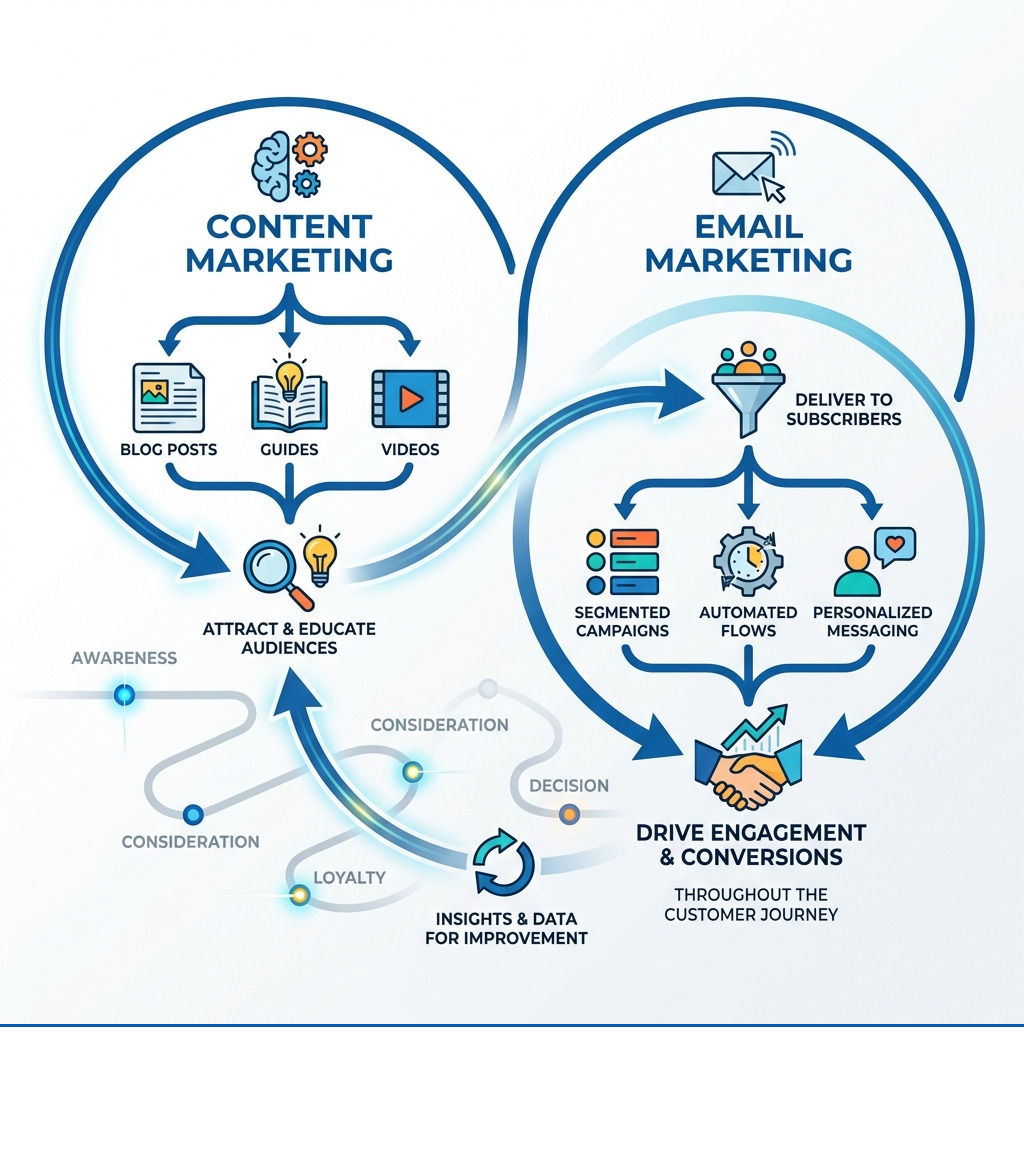
Content marketing creates the message, and email marketing delivers it to an interested audience. This combination is what makes them so effective for e-commerce.
Defining the Disciplines
Let's start with the basics.
Content marketing is the practice of creating and distributing valuable and relevant content to attract a specific audience. Its main purpose is to build trust and rapport, which fosters brand loyalty. It involves providing helpful information or entertainment that positions your brand as an expert.
Email marketing is the act of sending commercial messages to a group of people using email. Its purpose is to build relationships with current or past customers, encourage loyalty, and drive repeat business. It's a direct line of communication you own, unlike social media, where you're always "renting" an audience.
The key distinction is that content marketing focuses on what you say and how you add value, while email marketing focuses on who you say it to and how you deliver that value directly. Together, they create a system where your useful content is actively brought to your most interested audience.
The Role of Content & Email Marketing in the Customer Journey
Content & Email Marketing should work together throughout the entire customer journey.
- Awareness Stage: At this initial stage, content marketing is key. Blog posts, guides, and videos can address potential customers' problems and answer their questions, drawing them to your brand.
- Consideration Stage: Once a potential customer knows about you, email marketing can nurture that interest. If they downloaded a guide, an automated email sequence might follow up with more tips or product testimonials.
- Decision Stage: As customers get closer to a purchase, your emails can shift to highlight your unique selling points. This could involve special offers, product comparisons, or direct calls to action to buy.
- Post-Purchase Loyalty: The journey doesn't end after a sale. Email is a primary tool for customer retention. Welcome emails, order confirmations, and review requests keep the conversation going. You can also send exclusive content or loyalty program updates to build long-term relationships. Building and refining brands means ensuring this continuous engagement.
According to a 2020 study by the Content Marketing Institute, email is one of the most effective channels for securing, nurturing, and converting leads. This highlights its critical role in the entire sales process.
Building and Maintaining a High-Value Email List
An email list is a direct line to your audience that you own. Building and maintaining a healthy list requires a clear plan and consistent effort.
Organic List Growth Strategies
The first step is to grow your email list organically by attracting people who are genuinely interested in your brand. Here are some effective methods:
- Gated Content: Offer useful resources like e-books, guides, or webinars in exchange for an email address.
- On-Site Pop-ups: Use timed pop-ups on your website that offer an incentive, such as a first-purchase discount or free shipping, for an email address.
- Checkout Opt-ins: Include a clear opt-in box during checkout for customers to subscribe to marketing emails.
- Social Media Lead Generation: Run campaigns on social platforms that direct users to a landing page where they can sign up for your email list.
- Contests and Giveaways: Host contests where an email sign-up is required for entry. Ensure the prize is relevant to your products to attract qualified leads.
- Loyalty Programs: Offer early access to sales or exclusive content to members of your loyalty program, which requires an email sign-up. This also connects to subscription strategy and execution.
The Importance of Segmentation and Relevance
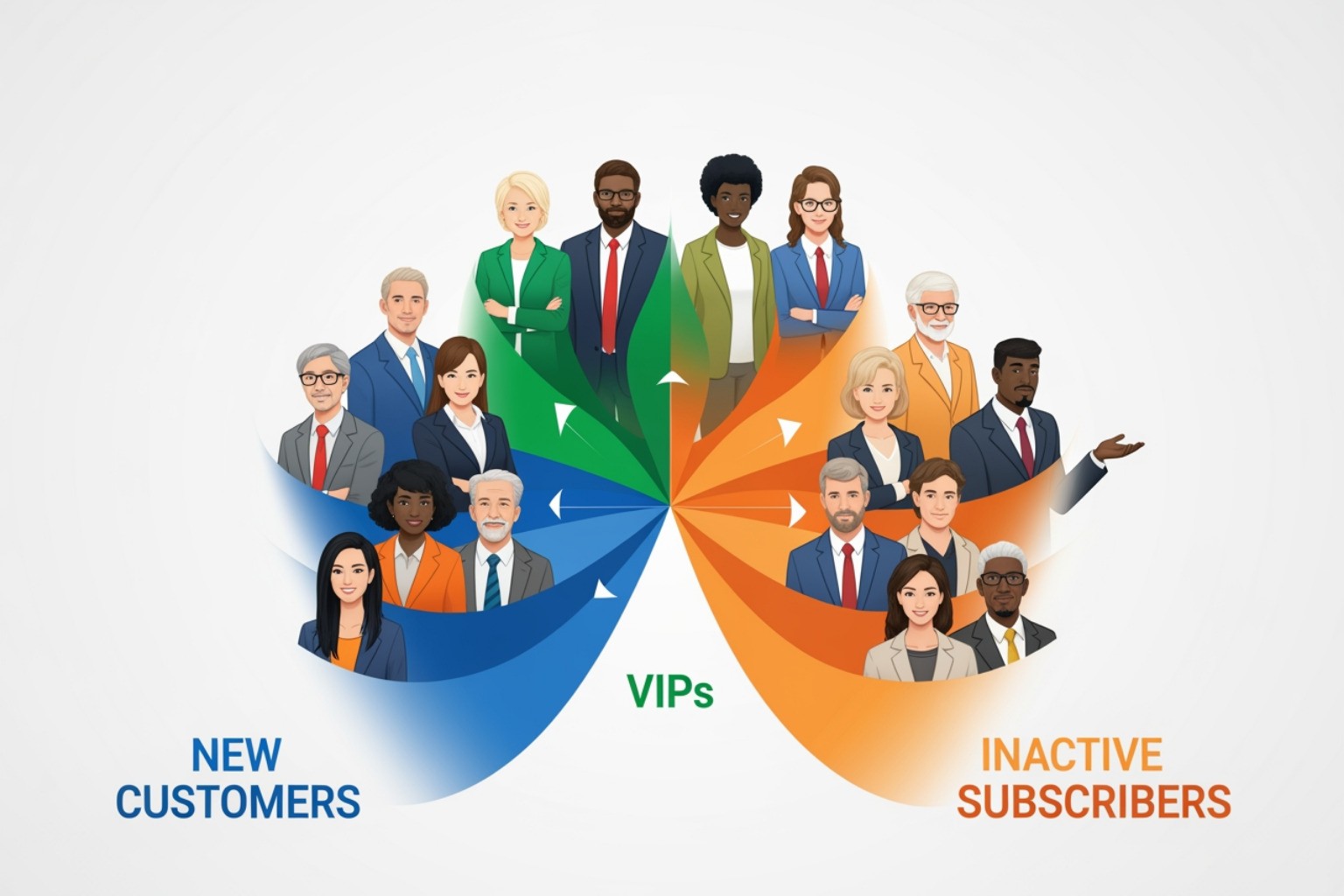
Once you have subscribers, segment your list. Sending the same email to everyone is ineffective. Segmentation allows you to deliver relevant messages, which improves engagement and conversions.
- Demographic: Group subscribers by age, gender, or location (e.g., customers in Portland, ME).
- Behavioral: Segment based on user actions like purchase history, browsing behavior, or email engagement. Triggered emails based on behavior have much higher open rates than general newsletters.
- Psychographic: Group customers by their interests, values, and lifestyles, such as a preference for eco-friendly products.
- Geographic: This is critical for businesses with physical locations or regional offers, like a local event at your Portland, ME store.
Why You Must Never Buy an Email List
I cannot stress this enough: Never buy an email list. It may seem like a shortcut, but the downsides are significant.
- Consent Violations: People on purchased lists have not given you permission to email them. This violates anti-spam laws like CAN-SPAM, GDPR, and CASL, which can lead to large fines.
- High Bounce Rates: Purchased lists are often outdated and inaccurate, leading to high bounce rates that damage your sender reputation.
- Spam Complaints: Recipients will likely mark your emails as spam, which further hurts your sender reputation and deliverability.
- Damaged Sender Reputation: A poor sender reputation means your emails won't reach the inbox, making your marketing efforts useless.
Buying an email list is a fast way to get blacklisted. It's far better to invest in organic list growth.
List Hygiene: How to 'Scrub' Your List for Better Performance
Email lists naturally degrade by about 22.5% every year. Regularly cleaning, or 'scrubbing,' your list is essential for performance.
- Remove Hard Bounces: These are emails that permanently failed to deliver. Most email service providers (ESPs) handle this automatically.
- Identify Inactive Subscribers: These are contacts who haven't opened or clicked your emails in a long time (e.g., 6-12 months). They lower your engagement metrics.
- Run Re-engagement Campaigns: Before removing inactive subscribers, try to win them back with a targeted campaign. If they still don't respond, it's time to remove them.
- Use Sunset Policies: Implement a clear policy for removing subscribers who remain unengaged. This improves your list quality and the accuracy of your metrics.
- Consider Double Opt-in: A double opt-in process, where subscribers confirm their subscription via email, ensures you add only valid and interested contacts to your list.
Crafting Emails That Get Opened, Read, and Clicked
Writing an email that gets attention and drives action requires a mix of good content and clear design.
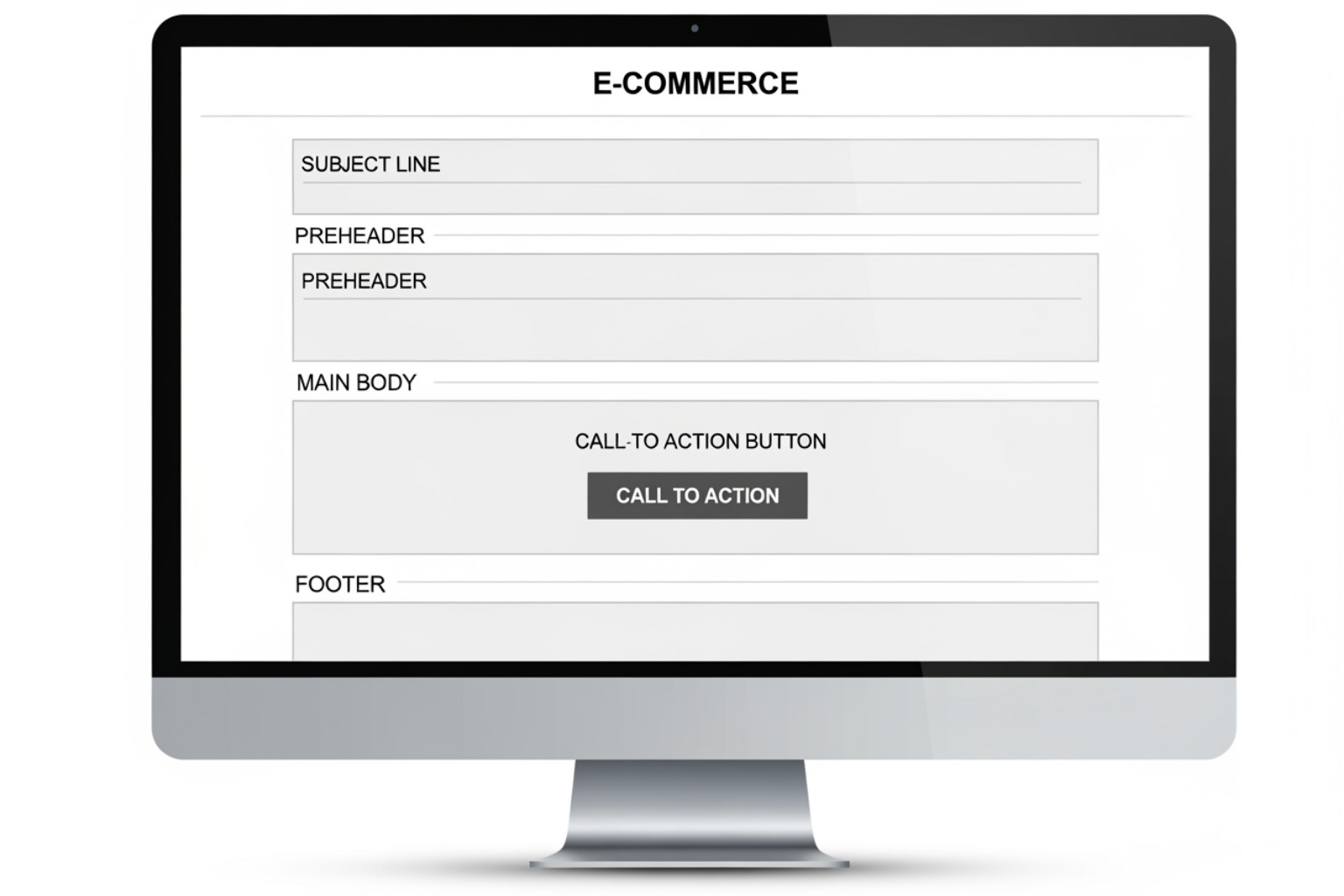
The Anatomy of a High-Performing Email
Every marketing email has key parts that must work together.
- Subject Lines: This is your first impression. A good subject line is clear, relevant, and makes the reader want to open the email. You can use personalization, urgency, or curiosity. Explore 101 Top Email Subject Lines of 2020 for ideas.
- Body Copy: The body should deliver on the promise of your subject line. Provide useful content and product benefits. Use short paragraphs, bullet points, and clear headings to make it easy to skim.
- Call to Action (CTA): This is what you want the reader to do. Make it obvious and use strong action verbs like "Shop Now" or "Learn More." A button usually works best. Limit the number of CTAs to avoid confusion.
- Sign-off: End your email professionally. Include your company name, website, and physical address as required by law.
Common Types of Marketing Emails and When to Use Them
Different situations call for different emails. Here are the most common types:
- Welcome Series: Sent right after a new subscriber opts in. This is your chance to introduce your brand and set expectations. Welcome emails generate 320% more revenue than regular promotional emails.
- Promotional Campaigns: Announce new products, sales, or special offers. These should focus on the offer with a clear CTA.
- Newsletters: Regular communications (weekly, monthly) that share useful content like blog posts, company updates, or featured products.
- Transactional Emails: Triggered by a customer's action, these provide key information like order confirmations, shipping updates, and password resets.
- Abandoned Cart Reminders: Sent to customers who added items to their cart but didn't check out. These are very effective, with an average click-through rate of 40%.
- Re-engagement Emails: Sent to inactive subscribers to try and rekindle their interest.
- Customer Loyalty Emails: Exclusive offers or updates for your most valued customers.
These email types can all be built into automated flows for efficiency and personalization, a service we specialize in here at First Pier, particularly with Klaviyo template design.
Design and Visual Best Practices
Your email's design is as important as its content.
- Mobile-First Design: Over half of consumers open emails on a mobile device. Design for mobile first to ensure your emails are easy to read on small screens.
- Single-Column Layouts: This layout is best for mobile responsiveness, as it stacks content neatly.
- Brand Consistency: Use your brand's colors, fonts, and logo for a consistent experience.
- Alt Text for Images: Always include descriptive alt text for images. It provides context if images don't load and improves accessibility.
- Clear Visual Hierarchy: Guide the reader's eye with clear headings and strategic use of white space.
- Accessibility: Use readable font sizes, sufficient color contrast, and clear language to make your emails accessible to everyone.
Executing and Measuring Your Content & Email Marketing Strategy
To succeed with email, you need to use automation, follow legal rules, and measure your performance.
Automation and Drip Campaigns
Email automation lets you send targeted messages based on triggers or schedules. This saves time and personalizes the customer experience.
- Benefits of Automation: Automation makes your email communications more efficient, personal, and consistent, and it helps your program grow with your business.
- Drip Campaigns: These are pre-written sets of emails sent over a specific period, often used for onboarding new customers or nurturing leads.
- Triggered Emails: These are sent automatically in response to a user's action, such as a welcome email after signing up or an abandoned cart reminder. Shopify automation makes this especially effective for e-commerce.
- Personalization: Automation tools let you use dynamic content, like customer names or product recommendations, to make each email feel more personal.
Navigating Legal Regulations (GDPR, CAN-SPAM, CASL)
Strict laws govern how you can send commercial emails. Non-compliance can lead to serious penalties.
- CAN-SPAM Act (United States): The CAN-SPAM Act requires that you don't use misleading headers or subject lines, identify the message as an ad, include your physical address, and provide a clear way to opt-out.
- General Data Protection Regulation (GDPR - European Union): The GDPR requires explicit consent for data collection. You must be clear about how data will be used and provide an easy way to unsubscribe. It applies to any business processing data of EU citizens.
- CASL (Canadian Anti-Spam Legislation): CASL requires express consent before sending commercial emails. It is known for its strict opt-in requirements and has penalties up to $1 million for individuals and $10 million for businesses.
It's your responsibility to understand and comply with these regulations. Expert guidance, like that offered by First Pier, can be valuable here.
Essential Metrics for Measuring Success
To improve your strategy, you need to track what's working. Here are the essential metrics:
- Open Rate (OR): The percentage of recipients who opened your email. The average is around 21%.
- Click-Through Rate (CTR): The percentage of recipients who clicked a link in your email. The average is around 6%.
- Conversion Rate: The percentage of recipients who completed a desired action (e.g., made a purchase) after clicking through.
- Unsubscribe Rate: The percentage of recipients who opted out. A high rate can signal problems with your content or frequency.
- Bounce Rate: The percentage of emails that couldn't be delivered. High bounce rates harm your sender reputation.
- List Growth Rate: How quickly your email list is growing.
- Return on Investment (ROI): The revenue generated from your email campaigns compared to their cost. The average email ROI was $42 for every dollar spent in 2019.
Analyzing these metrics helps you refine your strategy and improve performance. This is a core part of e-commerce analytics analysis.
Advanced Strategies for Long-Term Growth
Once you have the fundamentals in place, you can use more advanced strategies to build customer relationships and drive growth.
Fostering Customer Loyalty and Retention
Email is a primary tool for building customer relationships and improving customer retention and loyalty.
- VIP Programs: Offer exclusive content or special discounts to your most loyal customers via email to make them feel valued.
- Exclusive Content for Subscribers: Provide subscribers with content they can't get elsewhere, which reinforces the value of being on your list.
- Birthday/Anniversary Rewards: Send automated emails celebrating a customer's birthday or first purchase anniversary, often with a special offer.
- Post-Purchase Follow-up: Send emails that help customers get the most out of their purchase or offer related products. This shows you care beyond the initial sale.
Using Email Surveys to Gather Customer Feedback
Your customers are a valuable source of information. Email surveys are an efficient way to get their feedback.
- Net Promoter Score (NPS) Surveys: Ask customers how likely they are to recommend your brand to gauge overall satisfaction.
- Product Feedback Requests: After a purchase, send an email asking for feedback on the product to help you refine your offerings and gather testimonials.
- Post-Purchase Experience Surveys: Ask about the entire customer journey to identify pain points and improve your service.
Using customer feedback is crucial for understanding customer needs and improving your products and marketing.
Integrating Content & Email Marketing with Other Channels
Your Content & Email Marketing efforts are more effective when integrated with other marketing channels.
- Promote Email Sign-ups on Social Media: Use your social channels to drive traffic to email sign-up forms.
- Use Social Ads to Target Email Segments: Upload segments of your email list to social media platforms to create custom audiences for targeted ads.
- Drive Email Subscribers to Blog Content: Use your emails to promote your latest blog posts and guides, driving traffic back to your website.
- Align Paid Search with Email Promotions: If you're running a sale advertised via email, make sure your paid search campaigns reflect the same promotions. This is why we design services like paid social to work in concert with a client's other marketing efforts.
Frequently Asked Questions about Content & Email Marketing
Here are answers to some common questions about Content & Email Marketing.
What's a good open rate for email marketing?
While the average open rate across industries is around 21%, a "good" rate is relative. Here at First Pier, I always tell clients to focus on their own trends and benchmarks. Factors that affect your open rate include list quality, subject line effectiveness, sender reputation, and personalization.
Instead of chasing a specific number, aim for consistent improvement and compare your performance against past campaigns.
How often should I email my list?
There's no single answer. The right frequency depends on your industry, your audience, and the value you provide. Sending too often can lead to unsubscribes, while sending too infrequently can cause your audience to forget you.
My advice is to:
- Test Frequency: Experiment with different sending schedules and monitor engagement.
- Prioritize Value Over Volume: Only send an email when you have something useful to share.
- Use Segment-Based Frequency: Some segments, like new customers, might receive emails more often than a general newsletter list.
Your audience's engagement will tell you what works.
Can I use AI to help with my email marketing?
Yes, AI offers many tools to help with email marketing:
- AI for Subject Line Generation: AI can analyze data to suggest engaging subject lines.
- AI for Copy Suggestions: AI writing assistants can help generate body copy or entire email drafts.
- AI for Send-Time Optimization: Some platforms use AI to predict the best time to send an email to individual recipients.
- AI for Segmentation: AI can help identify patterns in customer behavior to create more effective audience segments.
While AI can be a great assistant, human oversight is still critical. Always review AI-generated content to ensure it aligns with your brand voice and provides real value. AI is a tool to improve your plan, not replace it.
Conclusion
Content & Email Marketing are not separate tactics; they work together to support e-commerce growth. Content builds your brand's authority, and email delivers that value directly to your most interested audience. From growing a quality list and segmenting it for relevance, to writing effective emails and following legal rules, every step contributes to a more profitable marketing plan.
The advantages are clear: direct communication with your audience, high ROI, and measurable results. Challenges like deliverability and list fatigue are manageable, but they require consistent monitoring and a clear plan. By using automation, measuring performance, and integrating your email efforts with other channels, you can build customer loyalty and drive revenue.
At First Pier, we understand the details of this combination. We've helped many e-commerce brands here in Portland, ME, build high-performance online businesses. If you're ready to make your Content & Email Marketing a more effective part of your business, we're here to help.
Contact First Pier to build a marketing plan for your e-commerce business





.png)
.png)

