



Why Your Ecommerce Loyalty Program Strategy Determines Long-Term Growth
Summary
- Ecommerce loyalty programs reward repeat purchases and brand engagement to improve retention.
- Programs typically use points, tiers, or paid memberships to increase customer lifetime value.
- Success is measured by average order value, redemption rates, and repeat purchase frequency.
- Modern systems include rewards for non-transactional actions like social shares and reviews.
- Effective programs require clear structures and data-driven personalization.
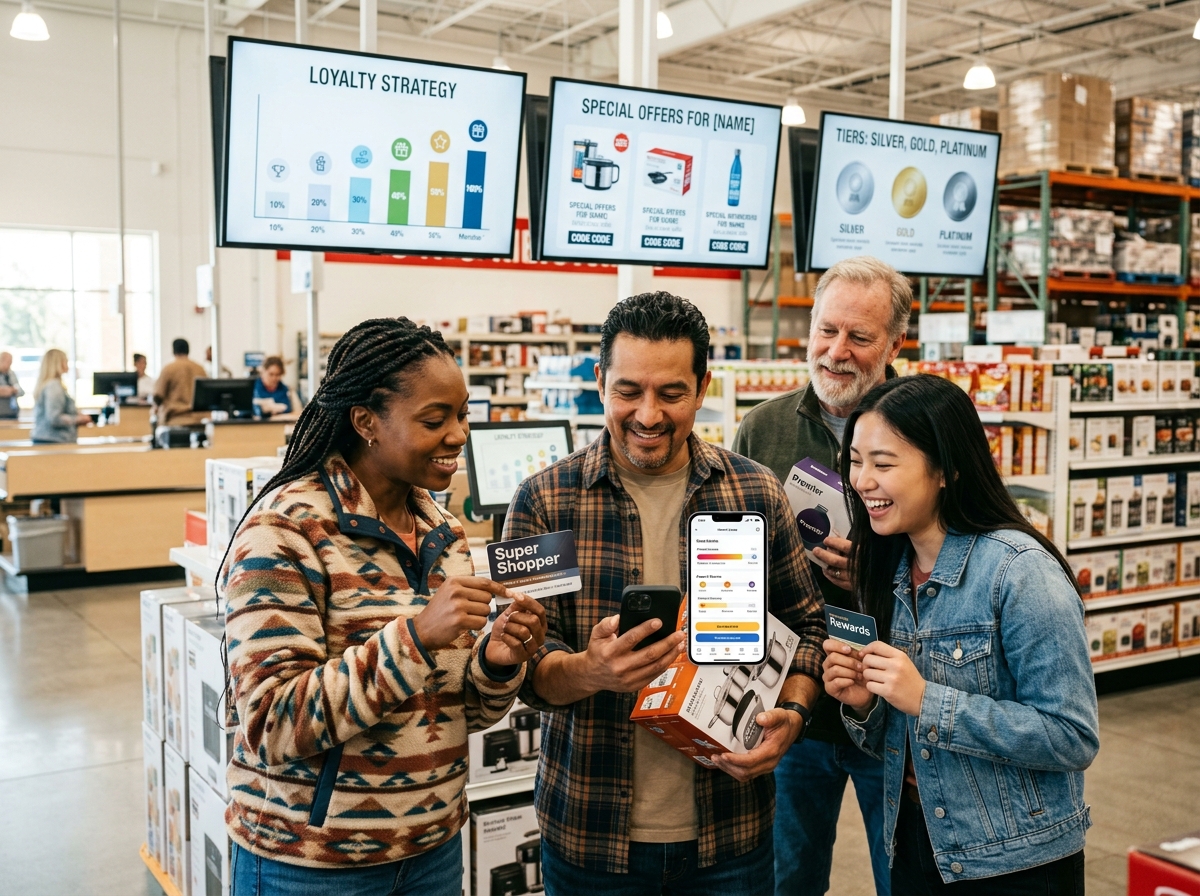
An ecommerce loyalty program is one of the most direct tools a brand has to turn one-time buyers into repeat customers — and repeat customers into advocates who bring others along.
The business case is straightforward. Customer acquisition costs have risen by 222% since 2013. Brands that rely on paid acquisition alone are fighting an increasingly expensive battle. Loyalty programs shift that equation by making existing customers more valuable over time.
The results are real. Here are a few benchmarks from brands running active programs:
| Brand / Program | Result |
|---|---|
| Death Wish Coffee | 186% YoY increase in loyalty-generated revenue |
| Waterdrop | 90% increase in customer spending; 70% jump in repeat purchase rate |
| Edgard & Cooper | 22% AOV uplift; 38% increase in retention rate |
| Never Fully Dressed | 32% of total revenue from loyal customers |
| Starbucks Rewards | 34.6M active U.S. members (Q1 FY2025) |
These are not outliers. They reflect what happens when a program is built with a clear structure, the right incentives, and consistent execution.
The brands that win at loyalty are not the ones with the most generous rewards. They are the ones that make the program easy to use, tie it to real customer behavior, and back it up with data.
This guide covers 10 real programs worth modeling, the core structures behind them, how to design your reward system, and how to pick the right platform for your store.
I'm Steve Pogson, founder of First Pier and a Shopify Expert with over two decades of experience helping ecommerce brands build retention plans — including ecommerce loyalty programs that drive measurable CLV growth. In the sections ahead, I'll walk you through exactly what makes these programs work and how to apply the same principles to your Shopify store.
Why an Ecommerce Loyalty Program is Essential for Retention
In my experience working with Shopify brands here at First Pier, I’ve seen that the most stable businesses aren't the ones with the flashiest ads, but the ones with the highest customer retention. An ecommerce loyalty program acts as the engine for this stability.
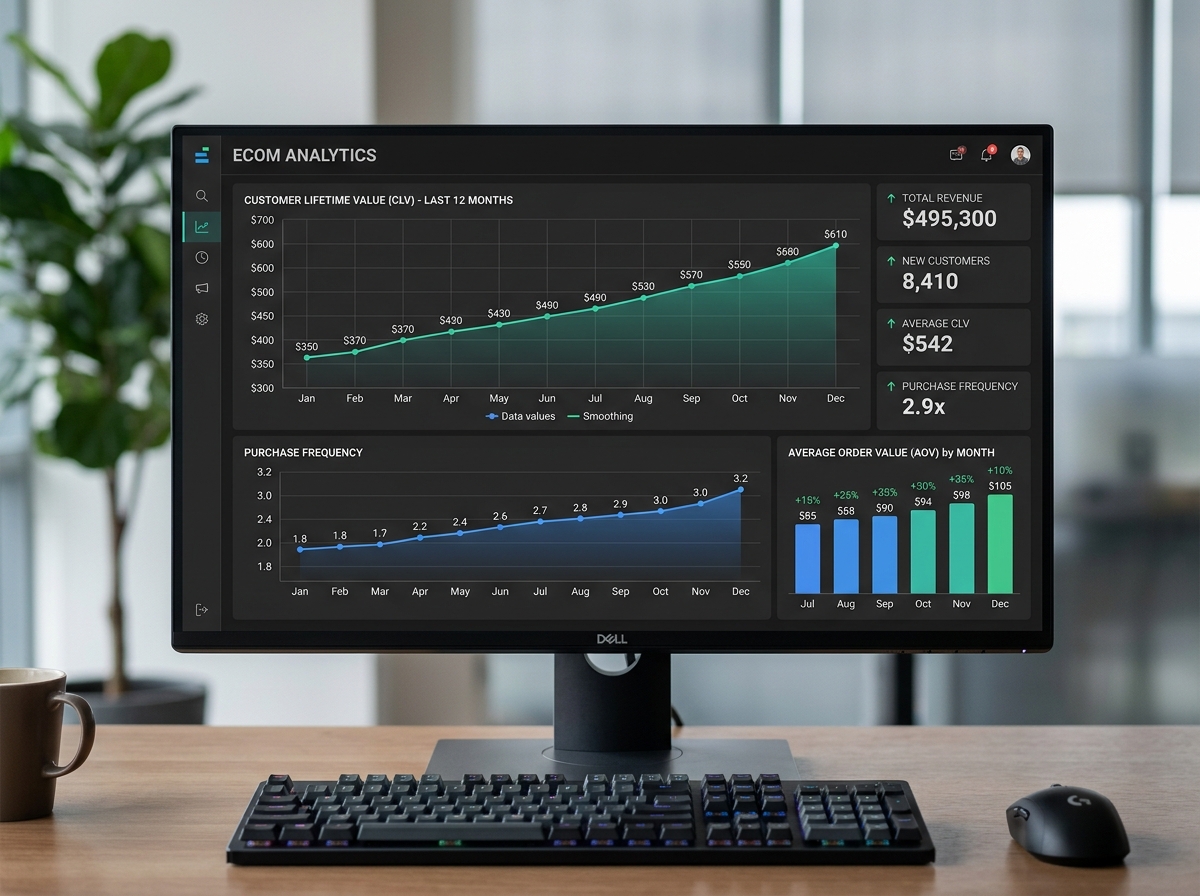
When you focus on retention, you are essentially increasing customer lifetime value. Statistics show that customer acquisition costs have risen by 222% since 2013. This means that if you only sell to a customer once, you might actually lose money on the transaction after accounting for marketing spend.
Lowering Acquisition Costs Through Retention
A well-run program helps you improve customer retention rate by giving people a reason to return to your site instead of searching Google or Amazon for their next purchase. By keeping a customer for a second or third order, the initial cost to acquire them is spread across more revenue, making your profit margins healthier.
Increasing Purchase Frequency and AOV
Loyalty programs also provide ways to increase customer lifetime value by nudging users to spend more per visit. Whether it is a "spend $10 more to reach the next tier" prompt or a "use your points for a free gift" offer, these incentives naturally increase the Average Order Value (AOV) and the frequency of visits.
10 Best Ecommerce Loyalty Programs to Model
To build a program that actually works, you don't need to reinvent the wheel. You can look at the leaders in the space and adapt their mechanics to your own brand.
Starbucks Rewards: A Mobile-First Ecommerce Loyalty Program
Starbucks has one of the most successful omnichannel programs in existence, with over 34 million active members. Their "Stars" system is simple: spend money, earn stars, and redeem them for specific items.
- How to copy it: Focus on a mobile-first experience. Ensure your customers can see their points balance and redeem rewards easily from their phones.
- Learn more at Starbucks.com
Sephora Beauty Insider: A Tiered Ecommerce Loyalty Program
Sephora uses a three-tier system (Insider, VIB, and Rouge) based on annual spend. This creates a sense of status. The "Rouge" tier requires a $1,000 annual spend, which encourages shoppers to concentrate all their beauty purchases with Sephora to maintain their elite status.
- How to copy it: Use Shopify customer loyalty tools to create tiers. Give your highest-spending customers exclusive perks like early access to new products or free shipping with no minimum.
- About Beauty Insider Loyalty Program | Sephora
Amazon Prime: Paid Tiers and Convenience
Amazon Prime proved that people are willing to pay for a loyalty program if the benefits are immediate. With over 200 million members, it focuses on removing friction through free shipping and entertainment.
- How to copy it: If you have a high-frequency product (like coffee or supplements), consider a paid membership or a subscription model that offers "VIP-only" shipping rates or permanent discounts.
- Learn more on Amazon.com
Nike Membership: Community and Exclusive Access
Nike doesn't just give points; they give access. Members get exclusive products, early drops, and invitations to special events. This builds a community around the brand.
- How to copy it: Reserve your best-selling items or newest releases for members only for the first 24 hours.
- Nike.com Membership
IKEA Family: Data-Driven Discounts
IKEA uses its program to collect data on how people live. In exchange, members get lower pricing on specific items, free coffee in-store, and "transport insurance" on their purchases.
- How to copy it: Offer "Member-Only Prices" on specific collections. It makes customers feel like they are getting a deal that others aren't.
- IKEA.com Family
H&M Membership: Points for Sustainability
H&M rewards customers for more than just buying. They offer "Conscious Points" for sustainable actions, like bringing in old clothes for recycling.
- How to copy it: Reward non-transactional actions. Give points for recycling packaging, writing a review, or following your brand on social media.
- Learn more at hm.com
Ulta Beauty Rewards: Cash-Like Points
Unlike Sephora, which often rewards with products, Ulta’s points translate directly into dollars off a purchase. This "earn and burn" model is very easy for customers to understand.
- How to copy it: Keep the math simple. For example, 100 points = $5 off. If a customer has to use a calculator to figure out what their points are worth, they won't use them.
- ULTA Rewards
PetSmart Treats: Niche Audience Focus
PetSmart allows users to create profiles for their pets. This lets them send highly personalized offers, like a birthday treat for a specific dog.
- How to copy it: Use personalization to ask questions during sign-up. If you sell skin care, ask about their skin type so you can send relevant rewards.
- PetSmart Treats
Nordstrom: Omnichannel Service
The Nordy Club integrates online shopping with in-store services like free basic alterations and personal styling.
- How to copy it: If you have a physical location in Portland, ME, ensure your online points can be used in-store via Shopify POS.
- Nordstrom.com Nordy Club
Death Wish Coffee: High-Frequency Engagement
By using Smile.io, Death Wish Coffee saw a 186% increase in loyalty-generated revenue. They reward customers for repeat purchases and referrals, turning their "caffeine-obsessed" fans into a marketing team.
- How to copy it: Use a platform like Smile.io to automate referrals. Give a discount to the person who refers and a discount to the new customer.
- Read the full story Smile.io | Death Wish Coffee
Core Types of Loyalty Structures for Online Brands
When we help clients set up a loyalty program, we usually start by choosing one of these four structures.
| Structure | Best For | Key Benefit |
|---|---|---|
| Points-Based | Frequent, low-cost purchases | Easy to understand and gamify |
| Tiered | Luxury or high-AOV brands | Rewards your "VIP" segment with status |
| Value-Based | Mission-driven brands | Builds emotional loyalty through donations |
| Paid/Subscription | Commodity or essential goods | Guarantees recurring revenue and retention |
Points-Based and Tiered Systems
Most Shopify loyalty programs use a combination of these two. You earn points for every dollar spent, and once you spend a certain amount annually, you move into a VIP tier. I recommend having 5 things to do with your VIP customer segment, such as giving them a dedicated support line or early access to sales.
Value-Based and Subscription Models
If your brand stands for something—like sustainability or animal welfare—you can allow customers to "spend" their points on a donation. This builds a deeper connection than a simple discount ever could. For brands with products that run out (like soap or pet food), a subscription model is a form of loyalty in itself, ensuring the customer doesn't shop around when they need a refill.
How to Design an Effective Reward Structure
A common mistake I see is making a program too complex. If a customer can't explain your program in one sentence, it is too complicated.
Setting Earning Rules and Point Values
Start with transactional rewards (points for purchases), but don't stop there. Reward actions that help your business grow, such as:
- Writing a product review.
- Following your Instagram or TikTok.
- Referring a friend.
- Celebrating a birthday.
When setting point values, ensure the "burn" rate (redemption) doesn't eat all your profit. A standard rule is offering a 5-10% return in value to the customer.
Personalization and Customer Data
Modern ecommerce loyalty programs use first-party data to stay relevant. Instead of sending the same "10% off" email to everyone, use your loyalty data to send a "You're only 50 points away from a free gift" message. This type of retention in ecommerce feels helpful rather than pushy.
Measuring Success and Choosing the Right Software
You cannot manage what you do not measure. To know if your program is working, you need to track Customer Lifetime Value (CLTV) over time.
Key Performance Indicators for Loyalty
Here at First Pier, we look at several KPIs when improving customer retention and loyalty:
- Redemption Rate: The percentage of issued points that are actually used. If this is too low, your rewards are not compelling enough.
- Participation Rate: What percentage of your total customers are in the program?
- Repeat Purchase Rate: Are members buying more often than non-members?
- Loyal Customer Revenue: What percentage of your total sales comes from program members?
Selecting the Right Loyalty Platform
There are several good tools that integrate directly with Shopify.
- Smile.io: Good for brands that want to get up and running quickly with points and referrals.
- LoyaltyLion: Good for brands that want deeper analytics and more complex tiers.
- Yotpo: A robust ecommerce loyalty program, referrals, & rewards platform that also handles reviews and SMS, allowing for a more connected experience.
Frequently Asked Questions about Ecommerce Loyalty Programs
What is the best type of loyalty program for a small brand?
For a smaller brand, I usually recommend a simple points-based program. It is easy to manage and easy for customers to understand. You can add tiers later as you grow.
How do I measure the ROI of my rewards program?
Compare the lifetime value of a loyalty member versus a non-member. If members spend 20% more over a year, and the cost of the rewards is only 5% of their spend, you have a clear ROI.
Can I integrate my loyalty program with my physical store?
Yes, if you use Shopify. By using Shopify POS implementation, your customers can earn and use points whether they are shopping at your boutique in Portland or on your website at home.
To sum up
Building a successful ecommerce loyalty program isn't about giving away the store; it's about building a relationship with your customers. When you reward people for their engagement and make their shopping experience more personalized, they stop looking at price and start looking at the value you provide.
If you are looking to improve customer retention in ecommerce or need help with Shopify development, our team here at First Pier can help. We specialize in creating e-commerce community & loyalty plans that turn browsers into lifelong fans. Whether you are just starting or looking to move to a more robust platform, we have the expertise to ensure your loyalty program drives real growth for your business.





.png)
.png)

